S
solutions.studio6h
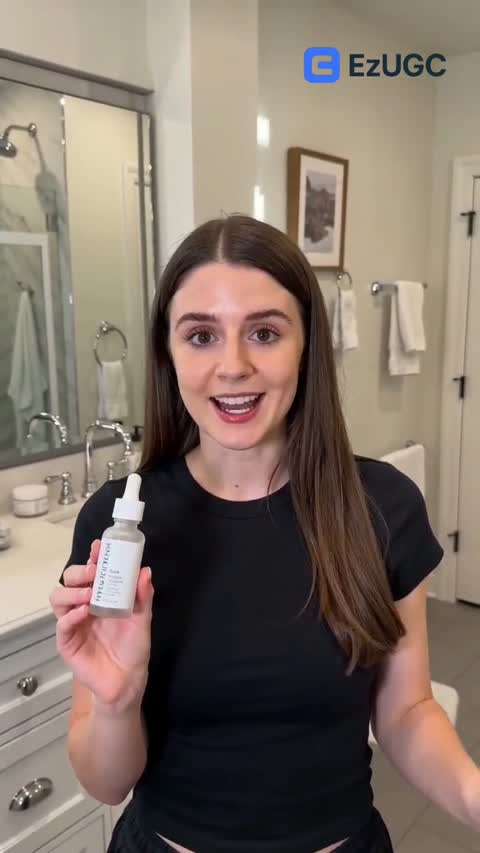
Views
54K+41%
Revenue
$13K+88%
Runway and HeyGen can form a capable stack. EzUGC is usually the stronger choice when your team wants creator-style video, product visuals, and export-ready assets from one workflow.
The deciding question is not whether each tool is good. It is whether the workflow keeps moving once you need weekly testing speed instead of one-off creative assembly.
STACK COMPLEXITY
Two strong tools can still create one messy workflow
Runway and HeyGen can each do useful work. The friction comes from the handoff between them and everything around them.
TIME TO EXPORT
Brief drift slows down approvals
When script context, video direction, and export packaging live in separate tools, launches usually take longer.
ASSET SCOPE
Ads rarely stop at one video
Growth teams usually need matching statics, product visuals, and quick iterations in the same campaign cycle.











| Decision dimension | Runway + HeyGen | EzUGC |
|---|---|---|
| Pricing / stack signal | Separate subscriptions and handoffs | $49 |
| AI actors / avatar workflow | Avatar and video workflow split across tools | 300+ realistic actors, quality-first library |
| Generation speed | Depends on multi-tool handoffs | 2 minutes average generation time |
| Product visuals / workflow type | Product visuals need extra packaging steps | Product visuals and statics in one workflow |
| Workflow scope | Separate generation and avatar tools | One workspace for creator-style ad production |
| Best fit | Creative teams comfortable orchestrating a custom stack | Growth teams optimizing for weekly ad throughput |
Specialized tools can absolutely produce strong work. The tradeoff is the operator time required to keep each stage aligned with the same campaign brief.
Write or revise the script outside the stack
Create or edit visual motion in Runway
Handle direct-to-camera delivery in HeyGen
Reconcile tone, pacing, and brand consistency
Export, rename, and package assets elsewhere
This stack can work well for teams that want specialized control and do not mind coordinating every handoff.
Set the campaign brief once
Generate script angles from the same message
Create creator-style outputs with shared context
Add matching product visuals and statics
Review and export approved versions fast
The workflow is simpler because the same brief drives the full creative package from the start.
Runway and HeyGen can be a solid stack for teams that want specialized tools and can handle the orchestration. EzUGC is usually better when the real goal is shipping more campaign-ready creative with fewer handoffs.
The multi-tool stack looks powerful on paper because each product handles a different part of the job. In practice, the team still has to keep scripts, visual direction, delivery style, and exports aligned.
That alignment cost matters more once you are launching paid-social tests every week. It is one thing to build a great one-off asset. It is another to keep the pipeline moving without context drift.
EzUGC is stronger when the team wants a single workflow for creator-style videos, supporting statics, and product visuals tied to the same brief.
If your team already has strong creative operators and wants custom assembly, the stack may still be worth it. If speed-to-export is the KPI, simpler usually wins.
AI ACTORS
300+
Useful when the workflow needs creator-style output without separate sourcing.
AVERAGE GENERATION
2 minutes
Directional internal benchmark used to support fast brief-to-export cycles.
LANGUAGES
29
Helpful when one workflow also needs localization for multiple markets.
Questions teams ask when they compare a custom stack against a single-platform ad workflow.
The commercial page for store teams that care about product demos, UGC-style ads, and faster testing.
A diagnosis page for teams whose product videos need stronger hooks, proof, and presenter fit.
Read the answer-first guide on scripts, exports, and why tool-switching slows growth teams down.
Let ChatGPT, Claude, or Perplexity do the thinking for you. Click one button and see what each AI says about EzUGC.ai.


