
S
solutions.studio6h
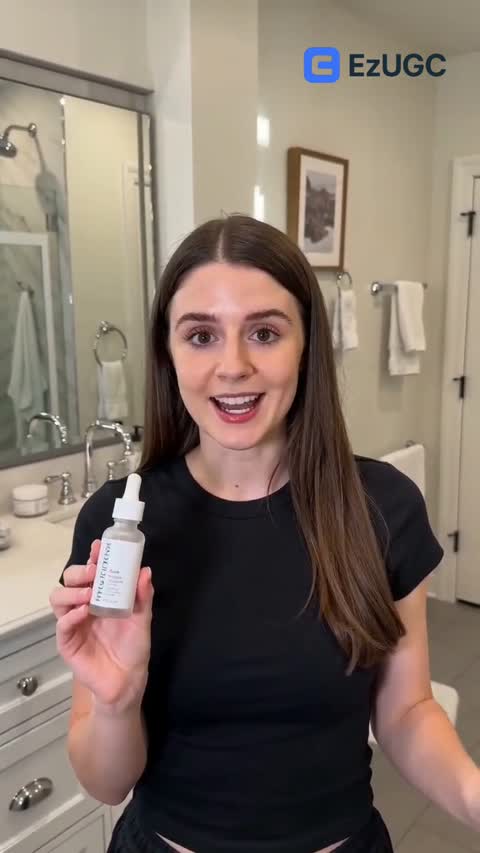
Views
54K+41%
Revenue
$13K+88%
Write a prompt, pick from 300+ AI actors or create your own avatar, and turn it into scroll-stopping UGC ad videos for TikTok and Meta in minutes. You own every clip, with commercial rights included.
HOOK TESTING
Test opening lines fast
Create multiple UGC hooks quickly and see what gets attention first.
MESSAGE CLARITY
Keep the offer easy to understand
Make product value and CTA clear while keeping the ad natural.
OUTPUT SPEED
Ship more UGC ads every week
Generate new variants fast and replace weak creatives quickly.
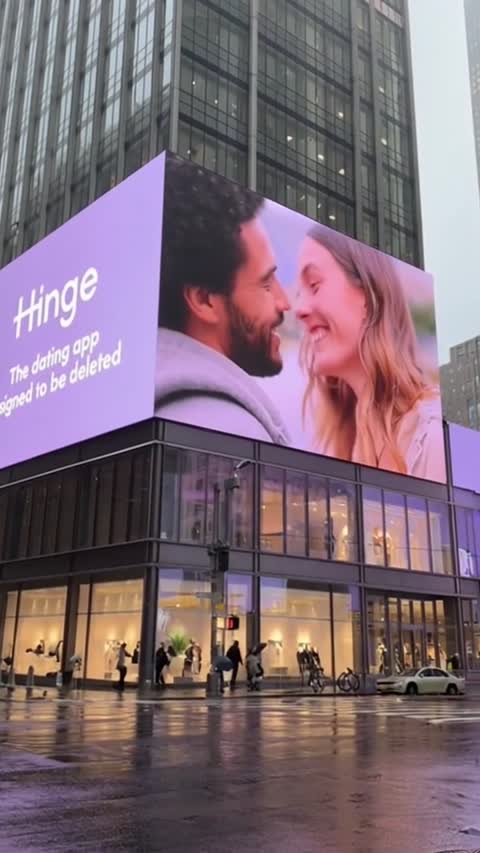
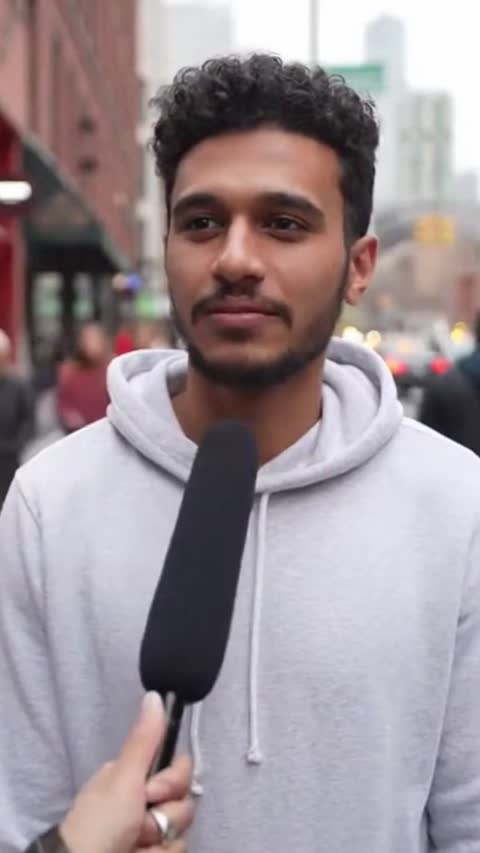
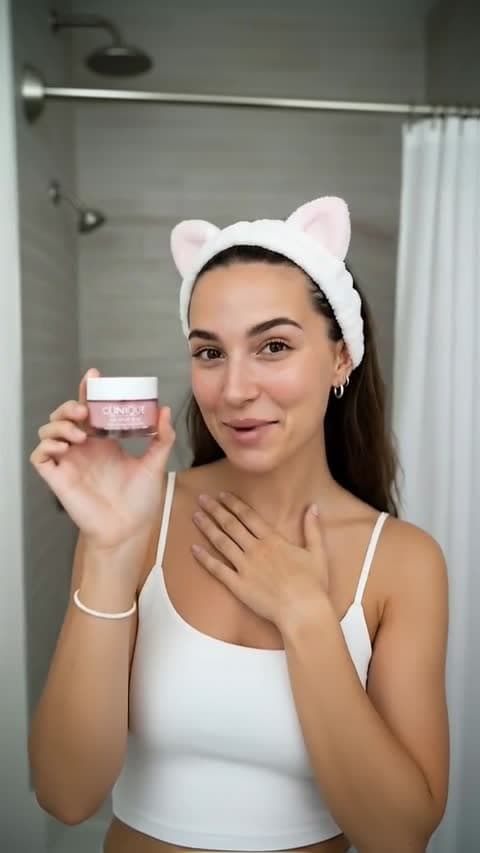
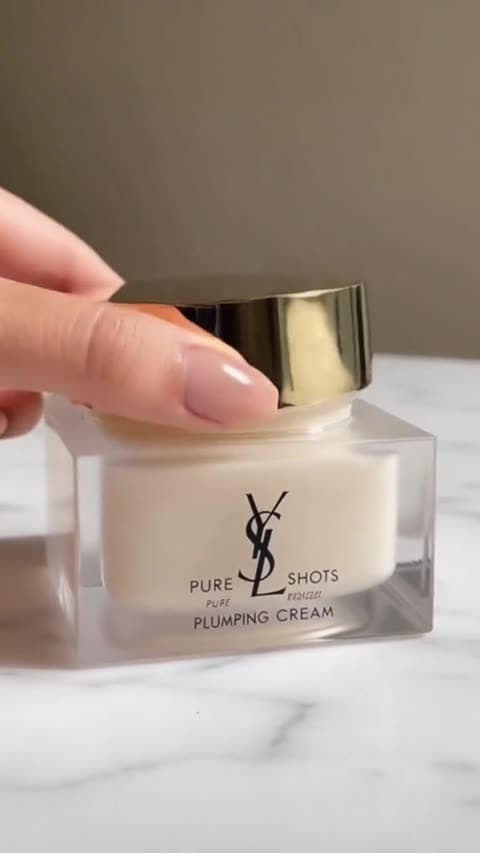
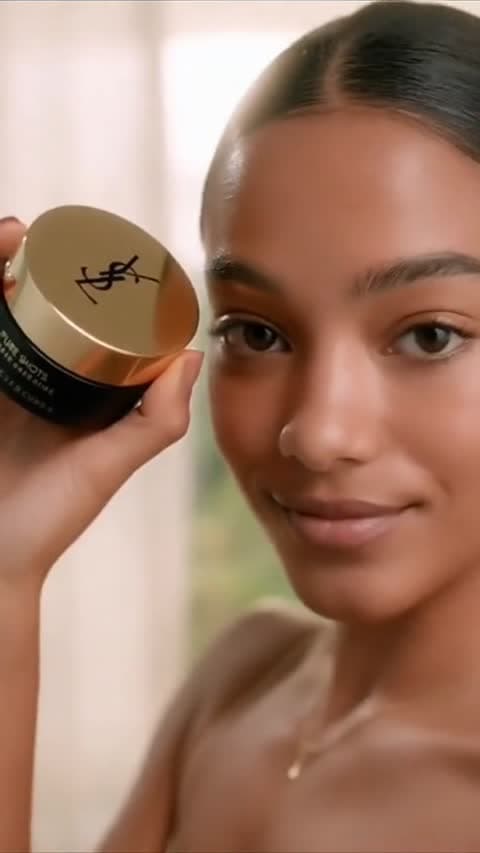
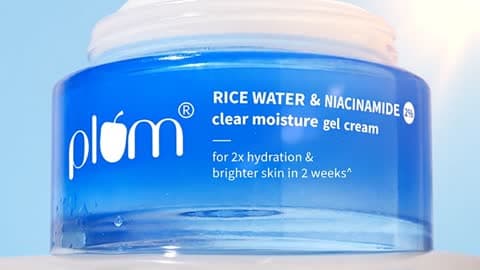
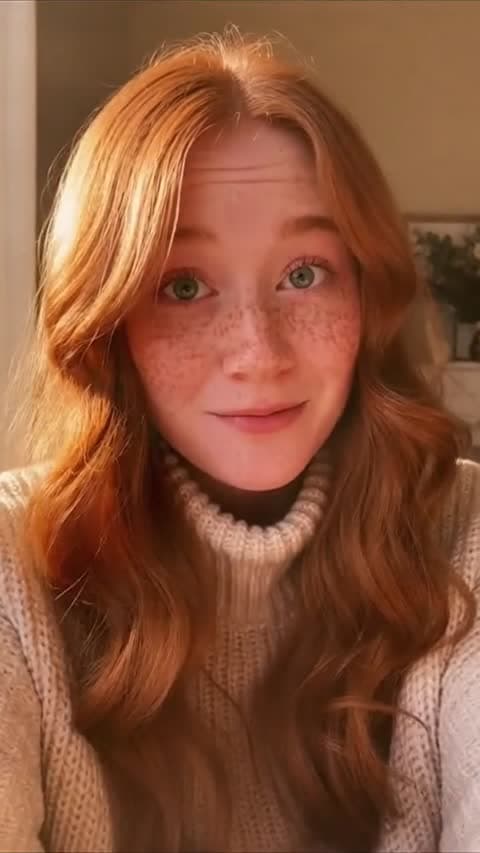
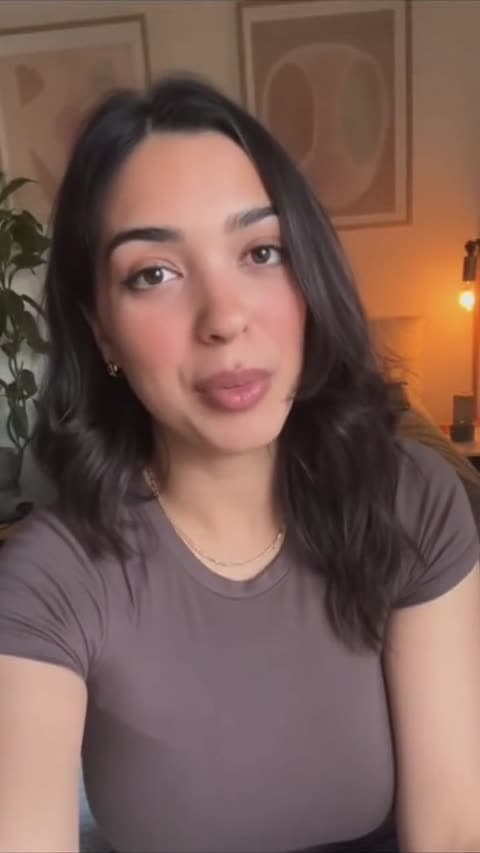
Trusted by teams at






300+
Licensed AI actors
5,000+
Videos generated / month
$25M+
Tracked ad revenue
3.2×
Average ROAS
An AI UGC video is a creator-style ad made with AI instead of a booked creator and a film crew. You write a short brief, pick an AI actor or your own avatar, and EzUGC returns a vertical, feed-native clip you can run on TikTok, Instagram, and Meta.
Most teams come here for testing speed. Instead of waiting on creator scheduling and edit rounds, you generate a batch of hooks in a couple of minutes, keep the ones that hold attention, and replace the rest. EzUGC users create 5,000+ videos a month this way, and tracked creatives have driven $25M+ in ad revenue at a 3.2× average ROAS.
A good AI UGC ad still has to earn the click in the first three seconds. The advantage is volume of testable ideas, not one polished hero video, so you can find the hook that actually works before you put real budget behind it.
One workspace for the whole creative: the actor on screen, captions, localization, and your product in frame.
Start from a library of licensed AI actors across different ages, looks, and energy levels. Every video is yours to run, with commercial rights on every plan.
Turn a reference photo or a written description into a reusable avatar, so the same brand face shows up across every campaign.
Have an actor hold and show your real product on camera, so the ad sells the exact thing a shopper is about to buy.
Add burned-in captions, supporting B-roll, music, and clean cuts so a clip is ready to post without opening a separate editor.
Direct how a line lands. Test an excited hook against a calm one without re-recording the whole script.
Take one winning ad and ship it in 29 languages with native-sounding voices, without booking a new shoot for each market.
ANGLE STRATEGY
Better UGC ads start with a simple decision: are you trying to acquire, retarget, or convert?
Acquire New Customers
Play: Lead with a clear problem and fast promised outcome
Primary metric: Higher 3-second hold rate and stronger CTR
Retarget Interested Visitors
Play: Use proof, customer language, and specific product context
Primary metric: Higher conversion rate from warm traffic
Convert Ready Buyers
Play: Handle one objection and close with a direct CTA
Primary metric: Lower CPA and improved conversion rate
The best UGC ads feel native to the feed but still make the offer obvious in the first few seconds.
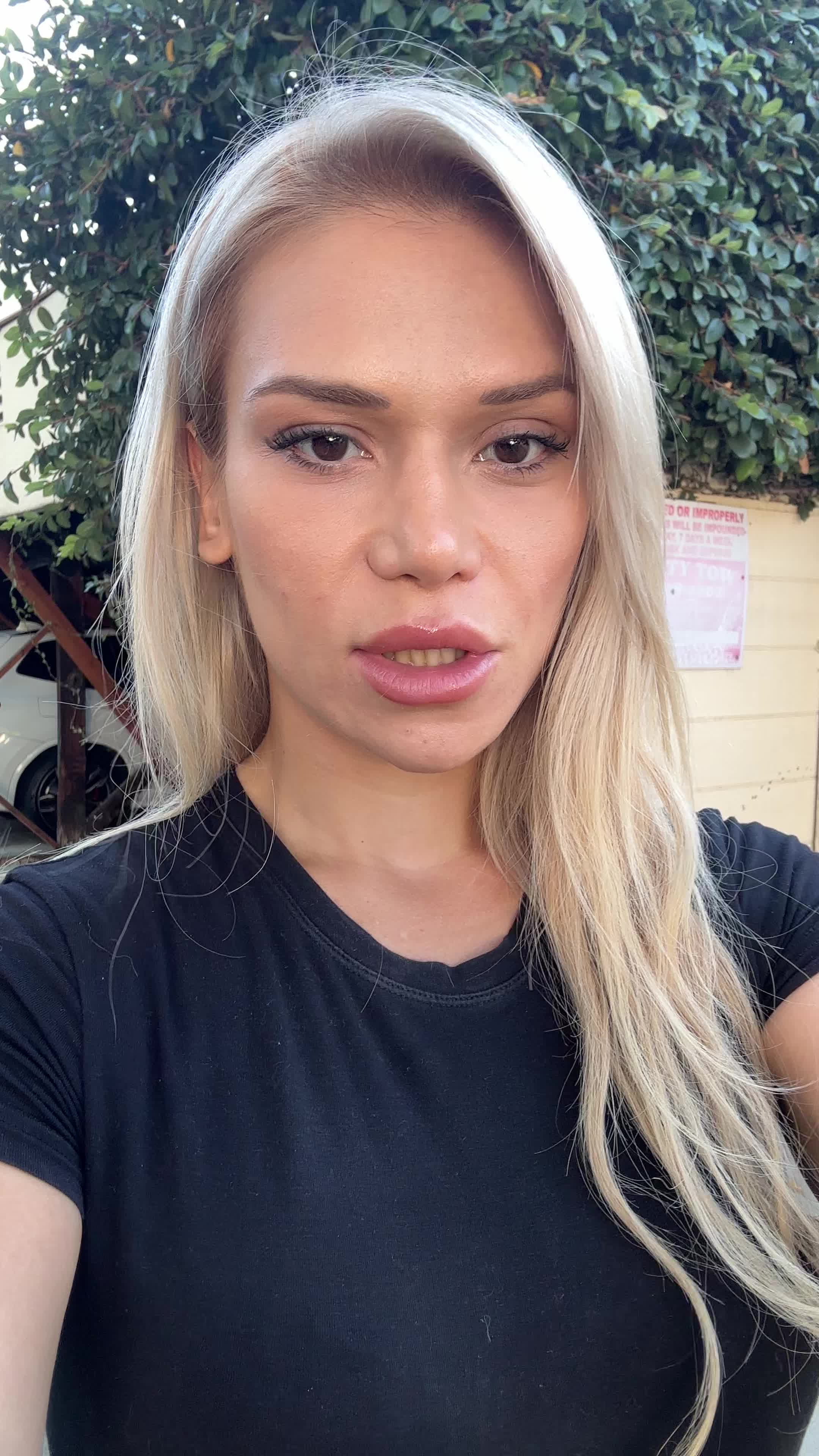
Package variants with clear names and intent so media buyers can launch fast without guessing.

Any team that lives or dies by creative volume on paid social. Here is how different teams put it to work.
Unboxings, demos, and testimonial-style hooks that move products on Meta and TikTok.
DTC ad playbookInstall ads and feature walkthroughs cut to match how each network feed behaves.
TikTok ads featureProblem-solution ads that turn a single feature into a clear, believable outcome.
AI ads featureOffer-led creative built to drive form fills and qualified clicks, not just views.
Build a persona system per client and scale weekly output across every account.
AI avatars featureFace-to-camera ads that feel real, with no creator booking and no shoot day.
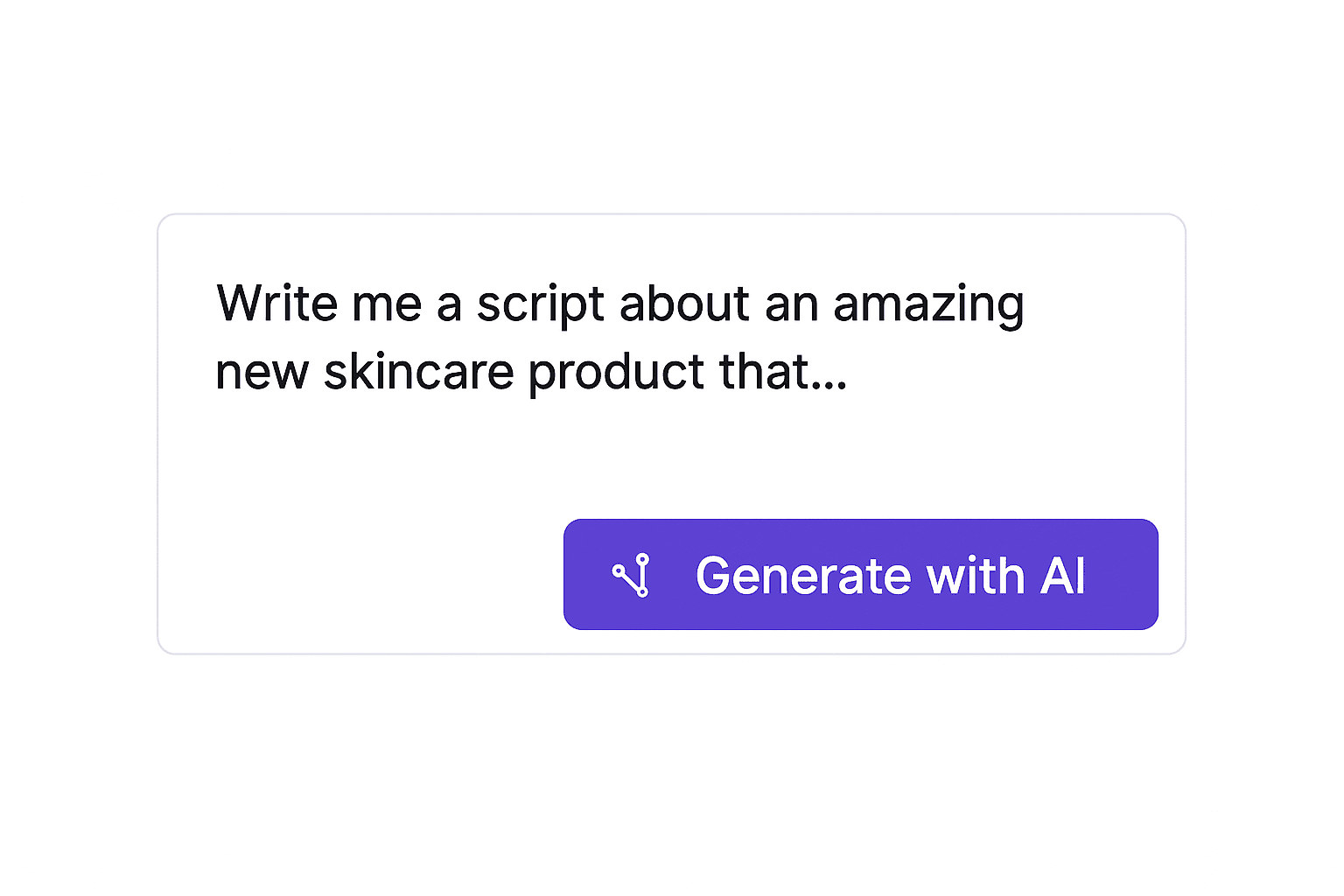
Step 1
Describe your product, audience, and ad angle so EzUGC understands what you want to create.
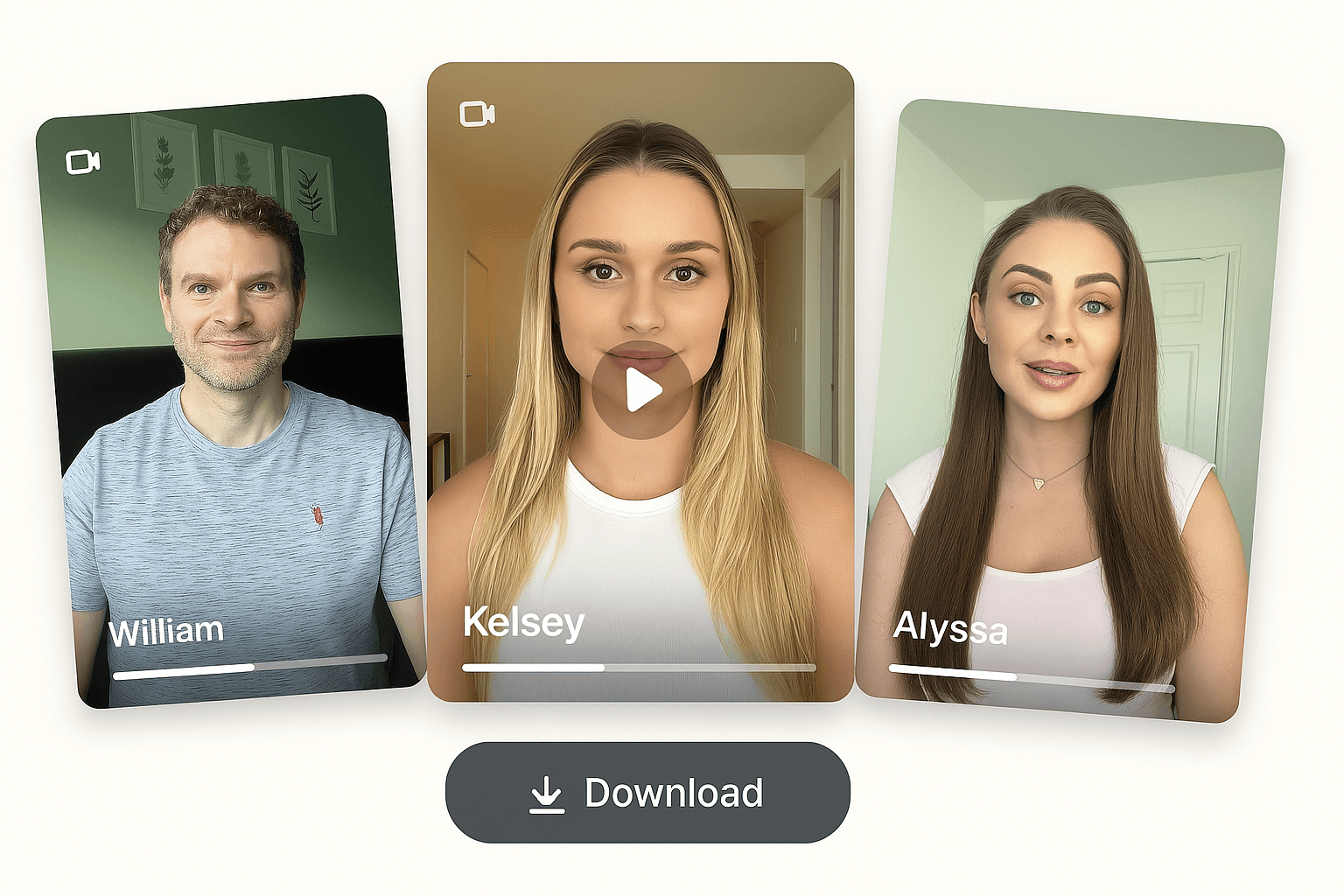
Step 2
Pick from ready-to-use AI avatars or generate a custom avatar that matches your brand style.
Step 3
Generate launch-ready creative fast, then test, iterate, and scale winning variants.
Common questions about AI UGC video ads, AI actors, and shipping more creative for paid social.
Related features, models, and guides for shipping UGC ads at scale.