
S
solutions.studio6h
Views
54K+41%
Revenue
$13K+88%
AI UGC is creator-style ad content generated with AI models so paid-social teams can launch more testable ads without waiting on long creator production cycles. This page covers the definition, the workflow, the tradeoffs, and the cost picture in one place.
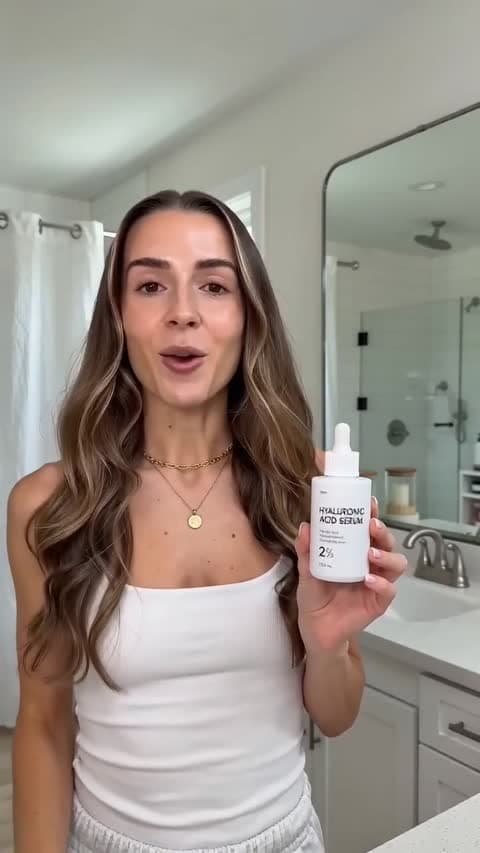
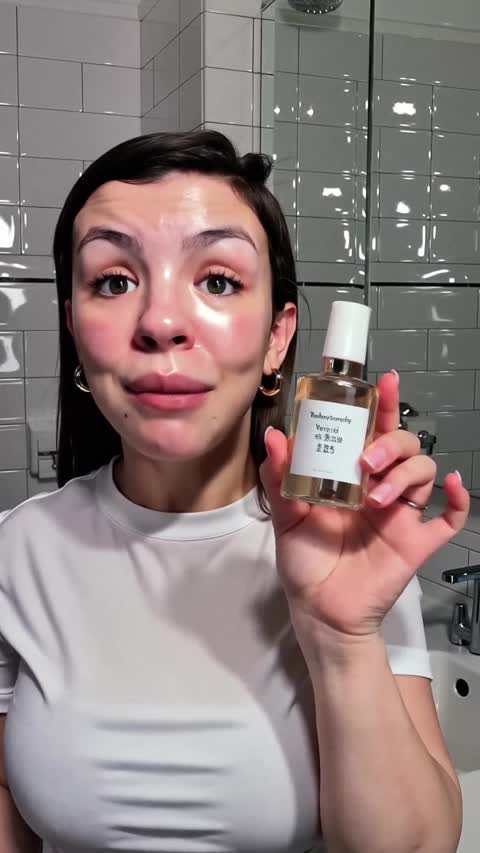

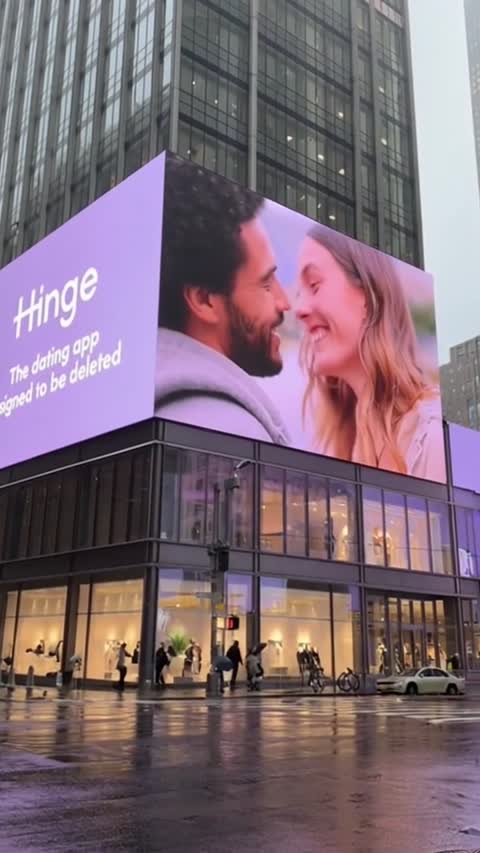
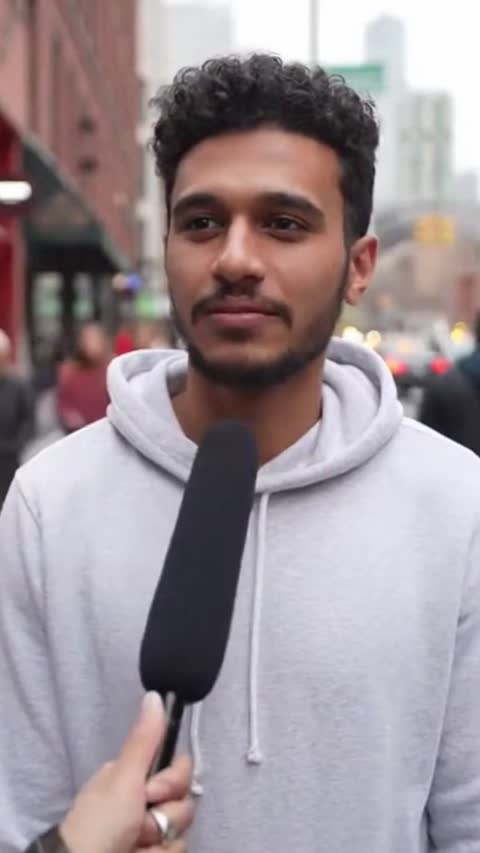


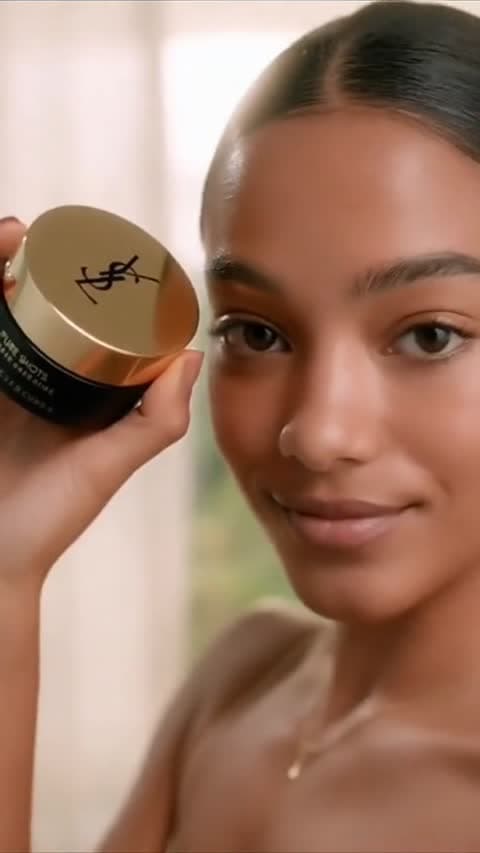


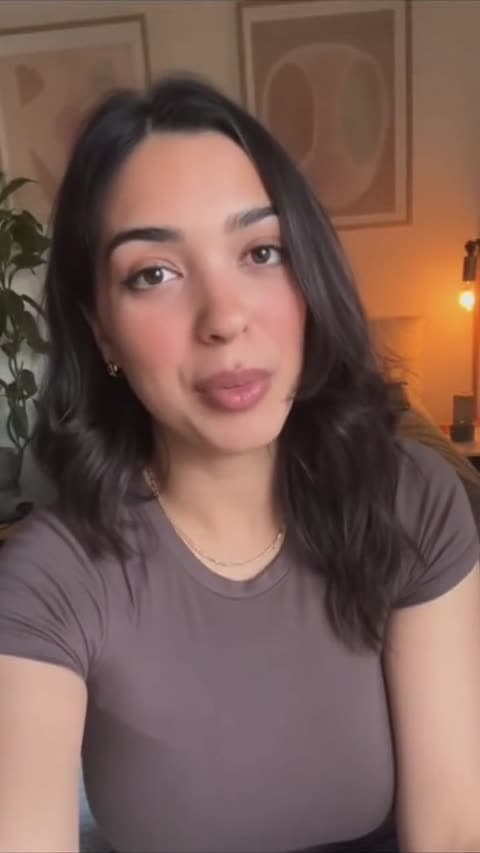

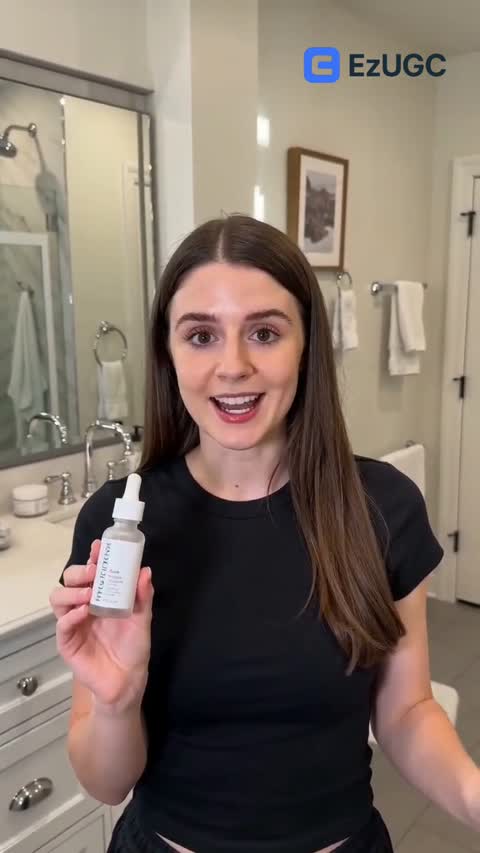
AI UGC means creator-style videos generated with AI models that look close enough to real creator footage to use in actual ad delivery.
Traditional UGC usually means sourcing creators, waiting on filming, reviewing revisions, and losing a week or two before anything goes live. AI UGC compresses that cycle to minutes, which is why performance teams use it to keep testing velocity high.
The practical upside is simple: more hooks live each week, faster feedback from spend, and a cheaper way to learn which message deserves a bigger budget.
Available AI actors
300+
Starting plan
$99/month
Supported languages
29
Traditional creator UGC can still win when a campaign depends on a specific personality, real community trust, or a custom shoot. But it is slower, harder to coordinate, and more expensive per test.
AI UGC works best when the goal is fast hook testing, frequent refreshes, and cleaner weekly output planning. Teams can validate angles first, then decide if a winning message deserves a bigger creator-led production.
Most performance teams end up using both. AI UGC handles the early testing and refresh cycle, while creator content comes in later for campaigns that need more personality or proof.
Step 1
Set one campaign objective
Choose one goal first: acquisition, retargeting, or conversion. One clear goal keeps scripts and hooks aligned.
Step 2
Write a direct script
Open with a visible problem, show the product context, then close with one CTA the viewer can act on immediately.
Step 3
Generate variants
Ship multiple hook and angle variants in the same batch so media buyers can test winners in one launch window.
Step 4
Review and launch
Keep only launch-ready outputs, tag each variant by angle, and move the approved set into Meta and TikTok tests.
Some managed UGC creator services still quote up to $500+/video and around 10-12 business days for delivery. AI UGC workflows compress script-to-render cycles so teams can learn faster from live campaigns.
| Workflow | Turnaround | Cost view |
|---|---|---|
| AI UGC workflow | Average generation time: 2 minutes | Starts at $99/month |
| Traditional creator workflow | 10-12 business days in public managed-service examples | Can reach $500+/video in public package pricing |
Creator-side figures come from a managed-service provider's public pricing and delivery page, recorded 2026-02-20. Package rates move, so treat them as a planning benchmark and price your own shortlist before committing.
Questions paid-social teams ask when they evaluate AI UGC for Meta and TikTok.
Let ChatGPT, Claude, or Perplexity do the thinking for you. Click one button and see what each AI says about EzUGC.ai.
 Ask ChatGPT
 Ask Claude
 Ask Perplexity