
TL;DR
UGC ads win because they look like the feed, not like a brand brainstorm. Here are 12 AI UGC ad creators worth testing - plus how to pick based on speed, realism, and cost.
People scroll fast. Faster than ever.
That behavior explains why content from real users now drives 28% higher engagement than traditional branded content. UGC works because it blends in - it looks like the videos people already watch.
This guide breaks down the best UGC video software for ad campaign testing, explains how AI reshaped UGC production, and helps you pick tools that deliver performance without slowing execution.
What is UGC?
User-generated content (UGC) is video made in the style of everyday users rather than brands.
In advertising, UGC usually shows up as:
- Product reviews
- Testimonials
- First-impression videos
- Problem-solution demos
- Short creator-style clips filmed vertically
The defining trait of UGC is not who makes it.
It is how it feels.
UGC feels native: shot on a phone, casual lighting, natural pauses, direct language. No polish that screams “ad.”
And it matters because modern users trust peers more than brands.
Consumers now spend over 5.4 hours per day consuming user-generated content across platforms like TikTok, Instagram, and YouTube Shorts. That is not passive scrolling - that is active attention.
Why UGC Converts Better Than Traditional Ads
Traditional ads interrupt.
UGC blends.
When a UGC ad appears in-feed, it looks like organic content. Viewers do not mentally prepare to skip it.
They watch longer. They listen. They absorb the message before realizing it is an ad.
That is why UGC-based ads often outperform studio creatives across:
- Click-through rate
- Watch time
- Engagement
- Conversion lift
Authenticity compounds.
If your ad feels scripted, people treat it like a pitch. If it feels like a friend talking, people treat it like information.
The Rise of AI in User-Generated Content
UGC used to be difficult to scale.
You had to find creators, manage contracts, review drafts, wait for revisions, then do it again when the hook flopped.
AI removed the bottlenecks.
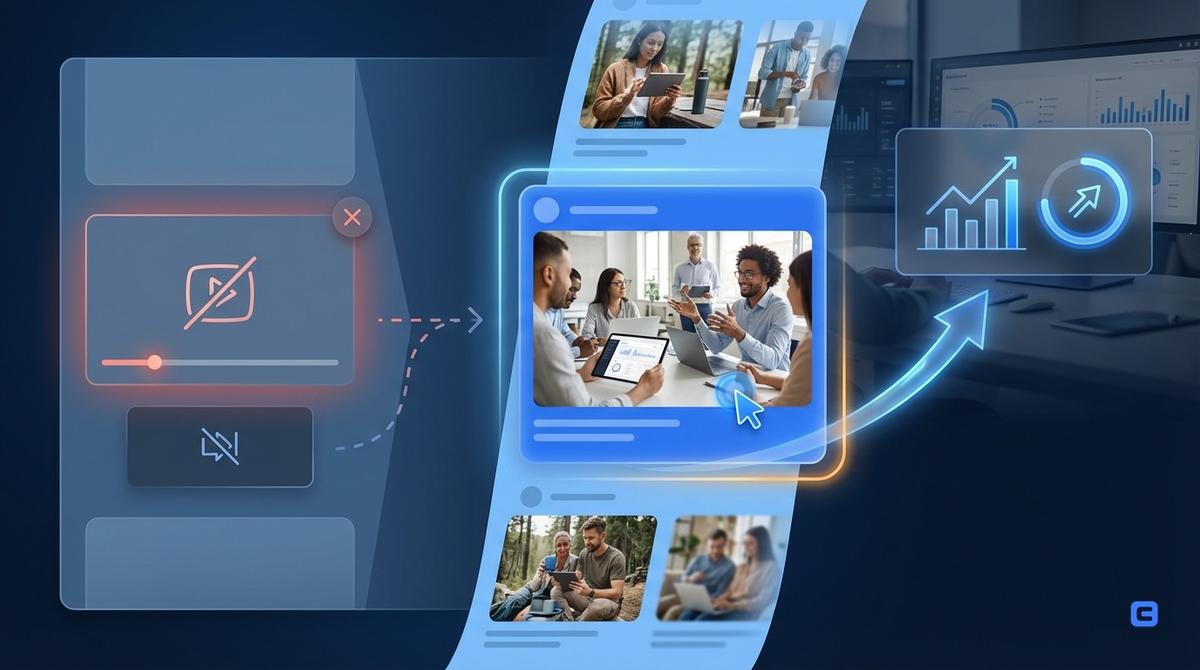
AI-driven UGC platforms generate creator-style videos using language models, voice synthesis, and visual avatars. The point is not “replace creators.” The point is replicate creator delivery patterns so you can test ideas faster.
And speed is the whole game.
Why Speed Matters in UGC Advertising
TikTok UGC ads outperform brand-created videos by 22%, and even surpass Facebook ads by 32% in engagement.
But only when creatives stay fresh.
Platform algorithms reward novelty. The longer an ad runs, the faster fatigue sets in. AI lets you rotate creatives daily without restarting production.
Instead of guessing which angle works, teams test:
- Multiple hooks
- Different creator personas
- Variations in tone
- Visual framing
- CTA language
Revolutionizing Ad Content Creation
Ad creation is no longer linear.
It is modular.
AI UGC platforms let you break ads into interchangeable components. One concept can generate dozens of variants without rebuilding from scratch.
How AI Changes the Creative Workflow
Before AI:
- One script - one creator - one final video
Now:
- One product - ten hooks - multiple creators - dozens of test ads
That modular approach changes how teams think.
Ads become data assets, not one-off productions.
When creative decisions stop being subjective, performance data gets a vote.
Top 12 UGC Video Tools for Ads

Below is a fact-based breakdown of leading AI UGC platforms used by marketing teams today.
Different tools fit different budgets and testing intensity.
1. EzUGC
Summary:
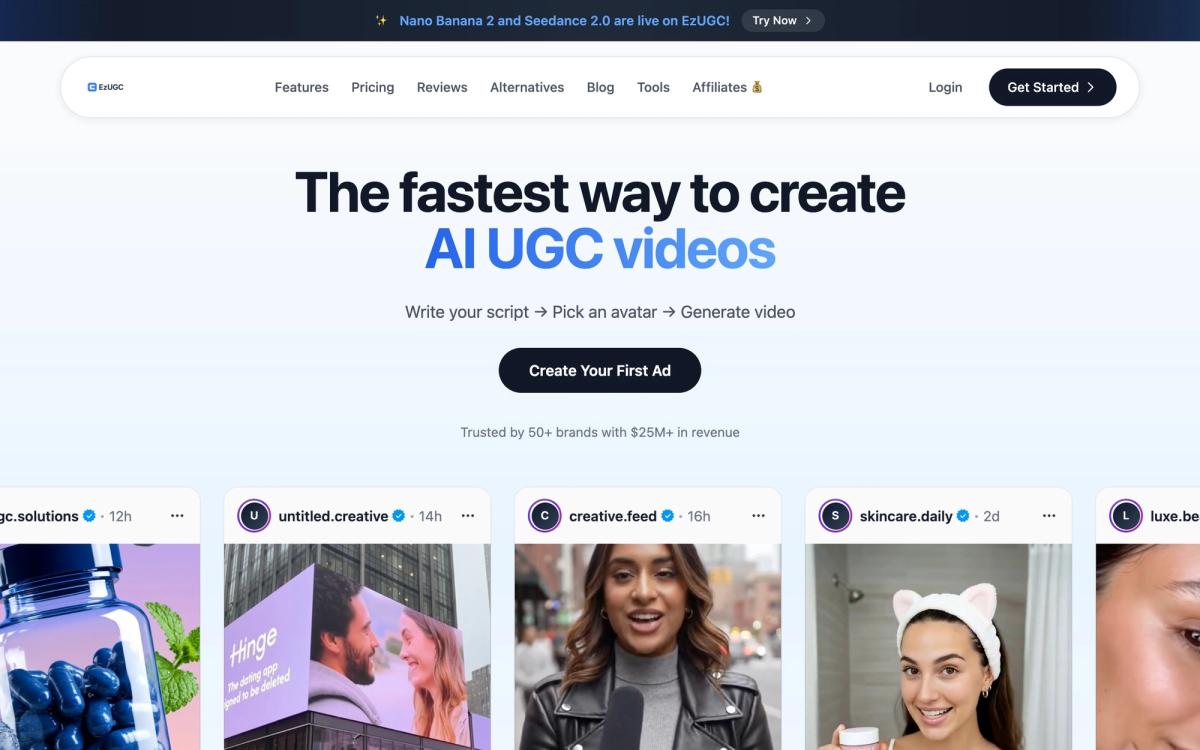
EzUGC is built for performance marketers who want creator-style ads without the creator wrangling.
Traditional UGC often costs ~$200/video once you count sourcing, back-and-forth, and reshoots. EzUGC brings that down to ~$5/video - and the output is consistent.
You can generate UGC-style ads in minutes, not days, using AI avatars that look real and speak 32+ languages.
Cost Plan:
Pay-per-output economics that map to how ads are actually tested. Expect ~$5/video instead of ~$200/video.
Category:
AI UGC video generator for ad campaign testing.
Key Features:
- Realistic AI avatars designed for UGC-style delivery
- Multilingual output in 32+ languages
- Fast iteration for hooks, CTAs, and angles
- Vertical, platform-native formats for TikTok, Instagram Reels, and YouTube Shorts
- Consistency across batches (same “creator,” same cadence, same vibe)
Best For:
DTC brands, agencies, and performance marketers who need volume testing without paying creator rates.
Key Strengths:
EzUGC is brutally practical: cheap enough to test aggressively, fast enough to keep creatives fresh.
Limitations:
If you want cinematic brand film, this is not the point. UGC is supposed to look like the feed.
Use Case:
A DTC skincare brand can test five different product benefits across 20 variations in a single week, then double down on the 2-3 angles that actually move CPA.
CTA:
Create your first batch at https://app.ezugc.ai.
2. AdGPT

Summary:
AdGPT is built to accelerate UGC video creation for paid ads. It uses AI avatars and script-generation tools to create ads that mimic authentic creator content while remaining optimized for conversion.
Cost Plan:
Tiered pricing based on video volume and features. Free trial available for small campaigns.
Category:
AI UGC video generator for ad campaign testing.
Key Features:
- AI-generated scripts based on product insights
- Creator-style AI avatars with natural gestures
- Multiple hook variations per concept
- Social platform-optimized vertical formats
- Fast turnaround for ad experimentation
Best For:
Marketing teams running high-volume ad tests on TikTok, Instagram, and YouTube.
Key Strengths:
Supports rapid iteration, allowing teams to generate dozens of variations from one product concept. The AI adjusts script and style to match platform trends.
Limitations:
Visual polish prioritizes authenticity, so cinematic effects are limited.
Use Case:
A DTC skincare brand can test five different product benefits across 20 variations in a single week, quickly identifying which performs best.
3. Tagshop AI - AI Video Ads
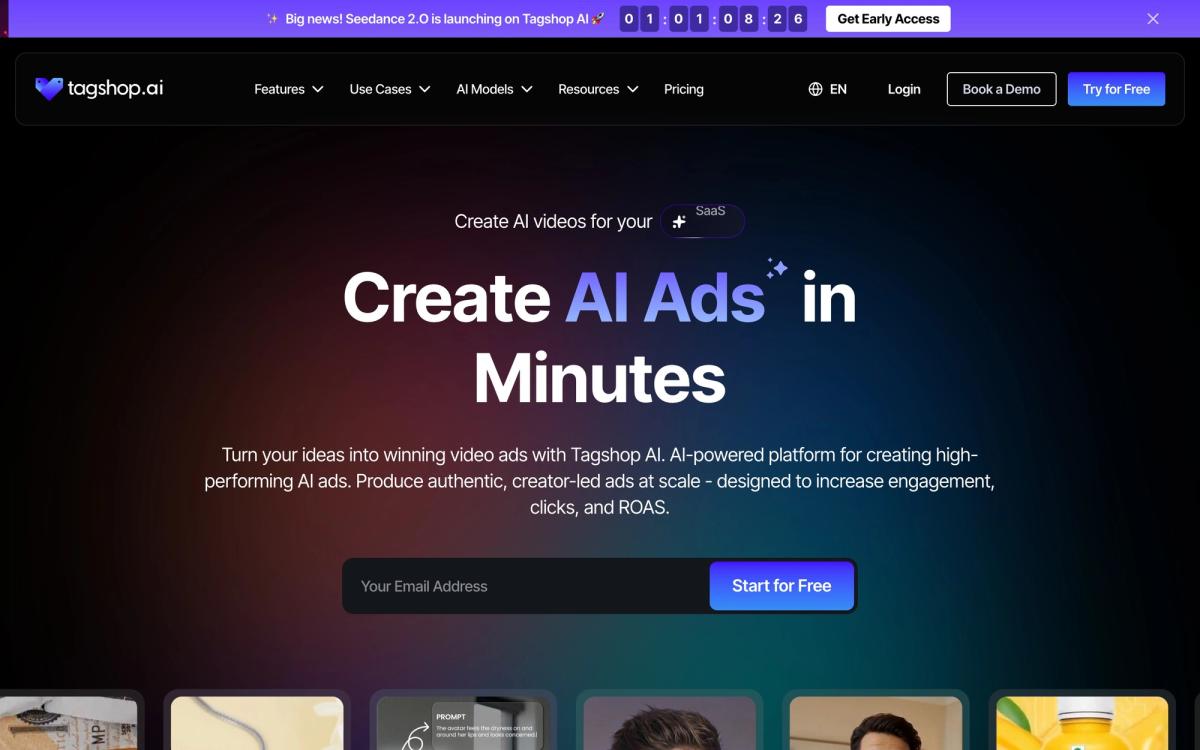
Tagshop AI is an AI ad generator designed to help increase conversions with video ads using realistic AI avatars or AI twins.
Instead of relying on traditional shoots, actors, or editing tools, marketers can share a product link or a short script, and it outputs a ready-to-run video ad.
Key Features
- AI video ad generator
- AI twin creation
- Custom avatars
- Campaign management
- Text to video
- AI video editor
- Script to video generator
- Product URL to video
Pricing:
Free trial available. Paid plans start from $23/month.
Best For:
- Creating high-converting AI video ads
- Producing multiple AI videos using digital twins
- Creating multilingual AI videos for global audiences
4. UGCAds.ai
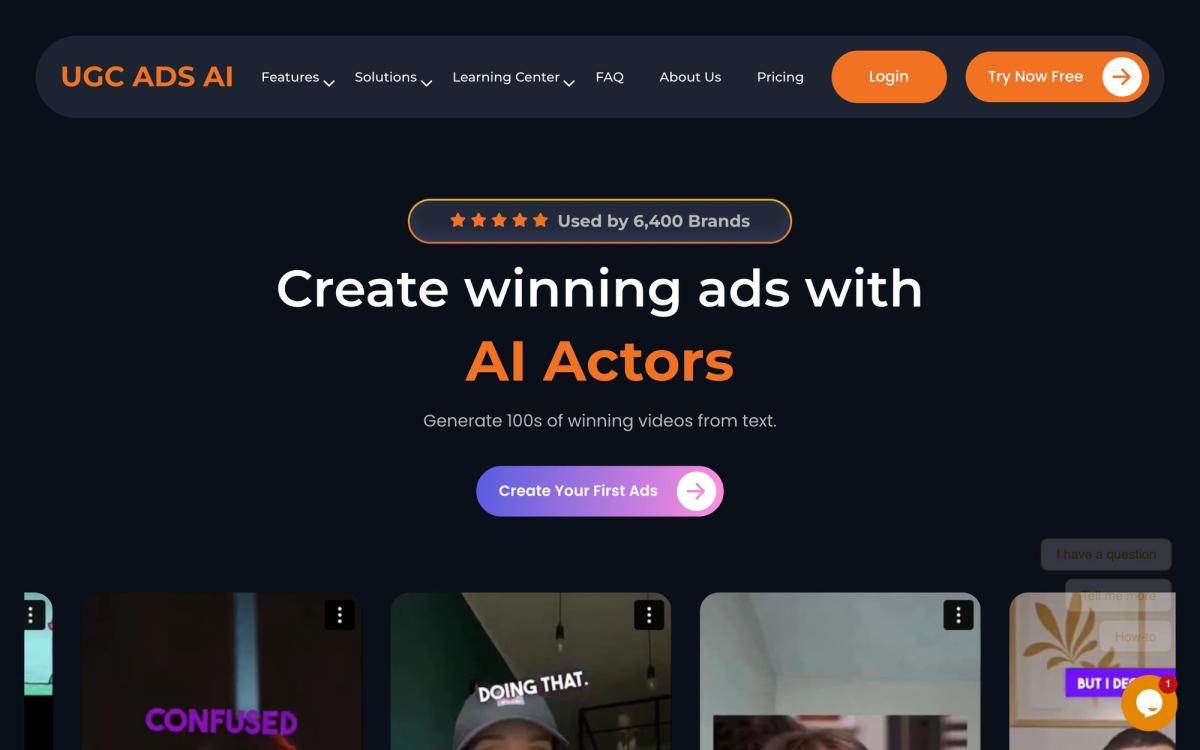
Summary:
UGCAds.ai emphasizes creator-style video ads tailored for social feeds, combining AI actors with script customization tools.
Cost Plan:
Subscription-based with limits on video production.
Category:
UGC AI video generator.
Key Features:
- AI actors with natural expressions
- Editable scripts for brand messaging
- Platform-native outputs ready for Instagram and TikTok
Best For:
Small to medium-sized brands launching social campaigns without dedicated production teams.
Key Strengths:
Rapid production and easy social-ready export.
Limitations:
Analytics and variant testing are limited compared to more robust platforms.
Use Case:
A food brand can produce “recipe reaction” videos using AI actors to test multiple hook styles in under 24 hours.
5. MakeUGC.ai
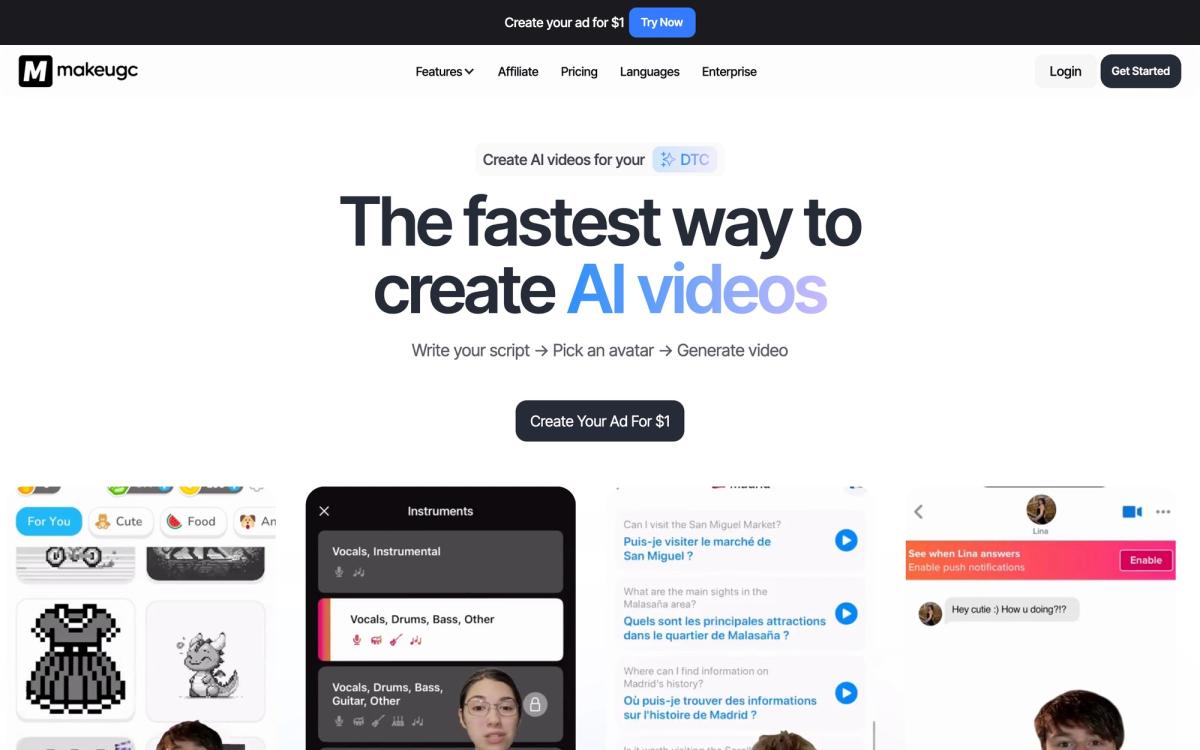
Summary:
MakeUGC replicates influencer-style testimonials using AI avatars to produce content that mirrors real customer reviews.
Cost Plan:
Monthly subscription tiers with video caps.
Category:
AI-generated UGC videos.
Key Features:
- Avatar-driven testimonial formats
- Script templates for social campaigns
- Simple video editing tools
Best For:
DTC brands and eCommerce businesses focused on social proof campaigns.
Key Strengths:
Realistic testimonial delivery that can increase perceived credibility.
Limitations:
Less flexible for advanced creative testing or custom visual styles.
Use Case:
An apparel brand can simulate influencer unboxing videos to test engagement before onboarding real creators.
6. Creatify
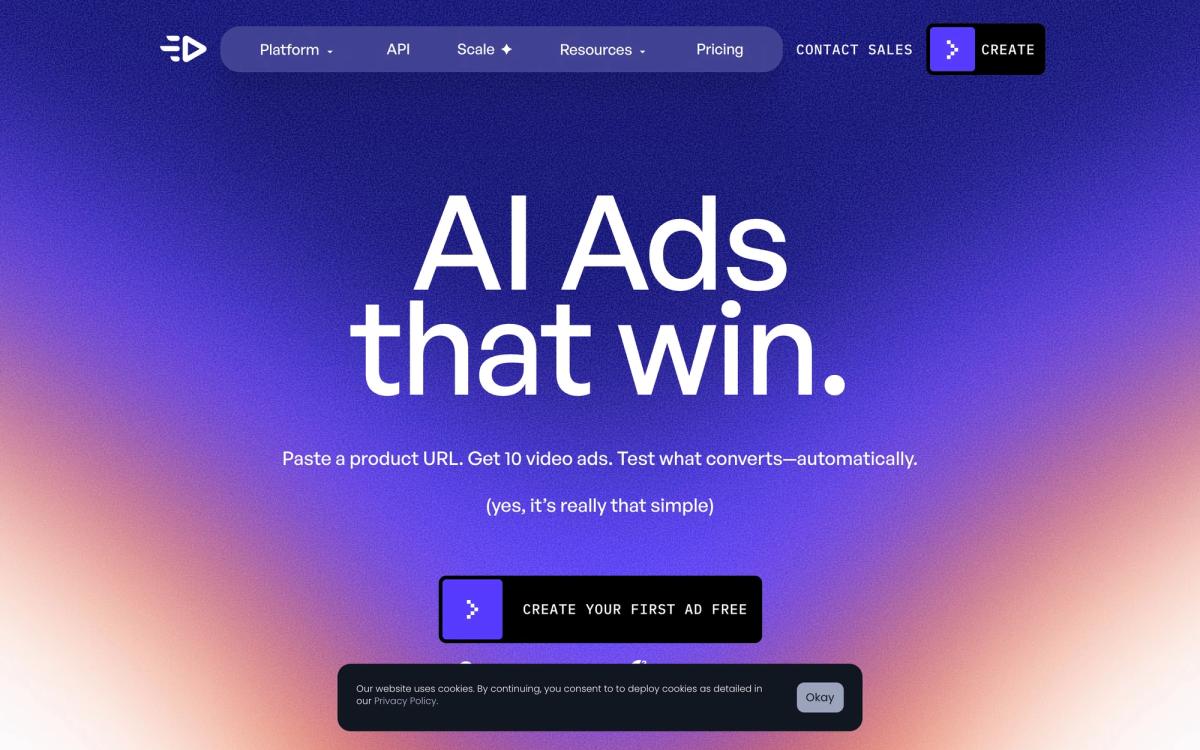
Summary:
Creatify automates bulk ad video creation, focusing on speed and high-volume campaigns.
Cost Plan:
Freemium plan with optional paid tiers for unlimited usage.
Category:
AI video ad platform.
Key Features:
- Bulk video generation from a single script
- Multi-language video output
- Auto-formatting for social platforms
Best For:
Content teams producing dozens of ad variants quickly for split testing.
Key Strengths:
High output capacity reduces production bottlenecks.
Limitations:
Creative nuance can feel limited if not carefully scripted.
Use Case:
A mobile app can produce 50 variations of short UGC-style ads highlighting different features for a global audience.
7. AdCreative.ai
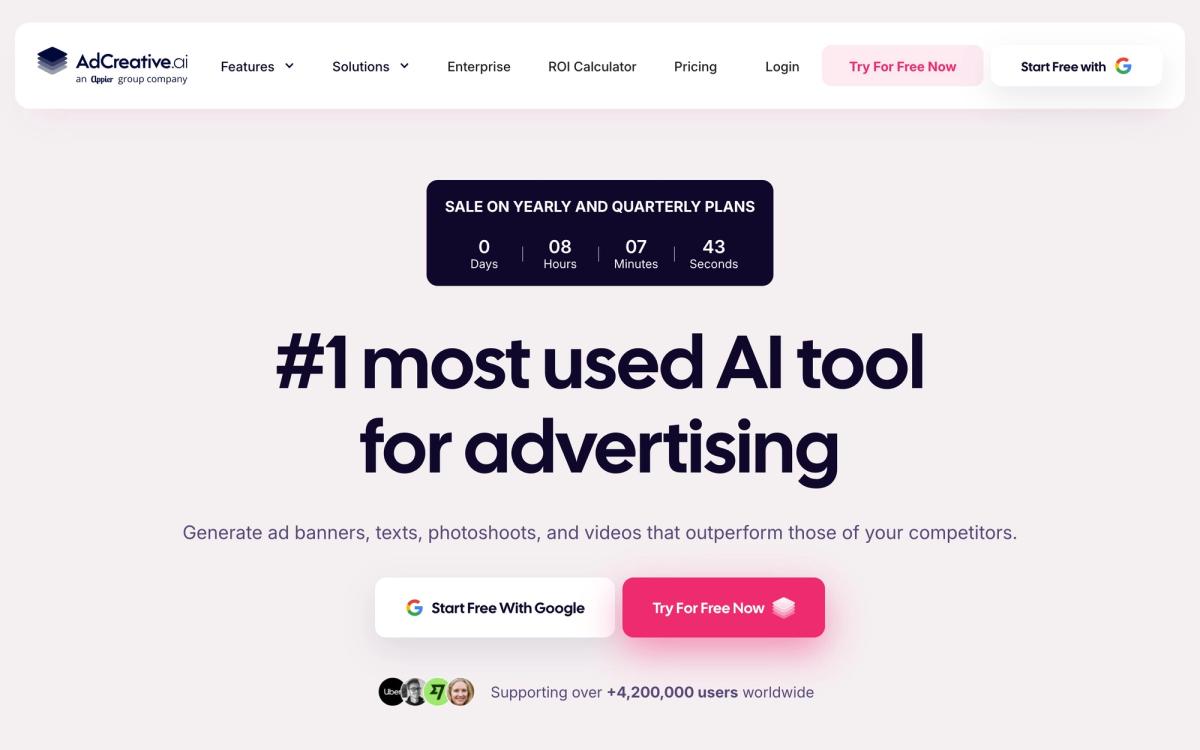
Summary:
AdCreative.ai combines creative optimization and AI-generated video content for ad testing and performance analysis.
Cost Plan:
Performance-based pricing, with analytics dashboards included.
Category:
AI creative optimization platform.
Key Features:
- Automatic scoring of creative performance
- Variant testing across multiple channels
- Visual optimization for ad CTR
Best For:
Marketers who need data-backed UGC ad testing for campaigns targeting multiple demographics.
Key Strengths:
Analytics + generation reduces guesswork.
Limitations:
UGC output can appear slightly polished, limiting authenticity for some campaigns.
Use Case:
An eCommerce brand can analyze which testimonial angle generates the highest click-through before investing in influencer campaigns.
8. Arcads AI
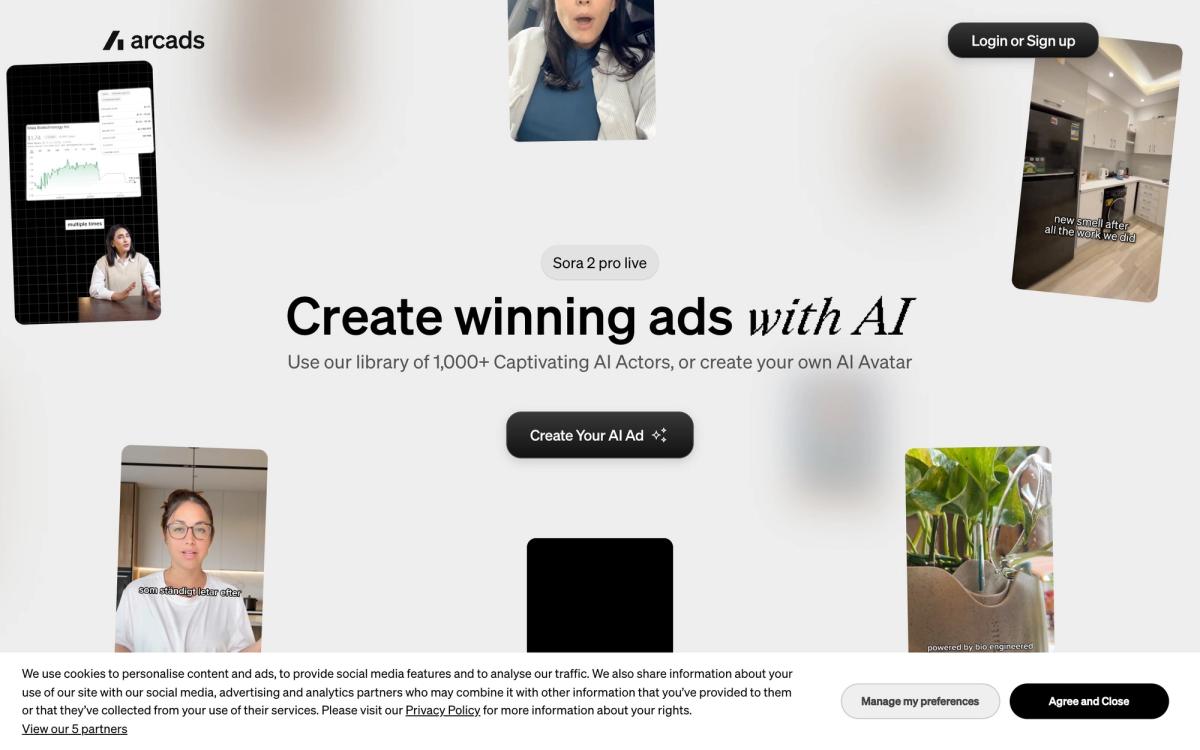
Summary:
Arcads is positioned for campaigns requiring higher visual storytelling combined with AI-generated UGC.
Cost Plan:
Premium subscription tiers.
Category:
AI UGC video ads.
Key Features:
- Advanced avatars with realistic facial expressions
- Cinematic video templates
- Platform-specific formatting
Best For:
Brands needing UGC-style storytelling that maintains higher visual production value.
Key Strengths:
Premium visuals and cinematic appeal.
Limitations:
Higher price point and slower iteration cycles than simpler tools.
Use Case:
A luxury skincare brand can create immersive testimonial-style ads that feel authentic but still look visually premium.
9. HeyGen (UGC Avatars)
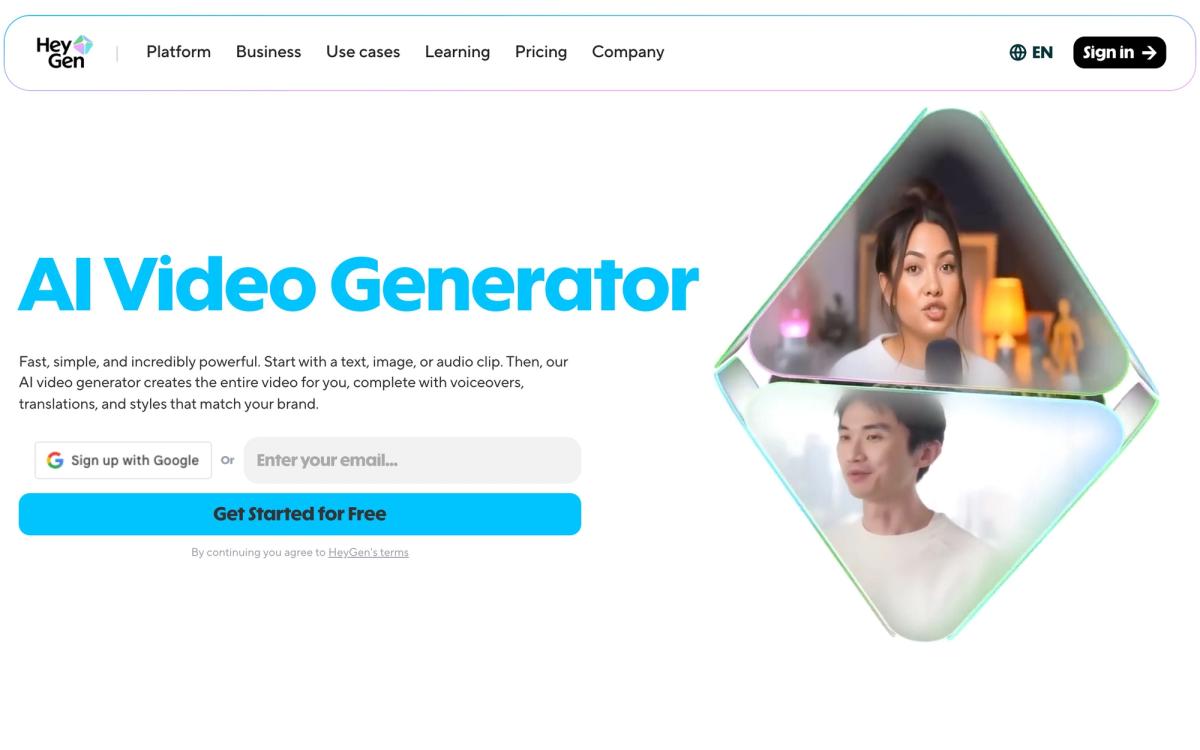
Summary:
HeyGen uses customizable AI avatars to produce realistic UGC-style videos for global campaigns.
Cost Plan:
Subscription-based with multi-language capabilities.
Category:
AI avatar video platform.
Key Features:
- Avatar personalization and gestures
- Multilingual output for diverse audiences
- Script-to-video automation
Best For:
Brands targeting international audiences and needing UGC in multiple languages.
Key Strengths:
Language flexibility enhances engagement across global markets.
Limitations:
Strong scripting skills required to maintain authentic tone.
Use Case:
A SaaS brand can test localized testimonial videos in Spanish, French, and English simultaneously without hiring multiple creators.
10. Bandy.ai
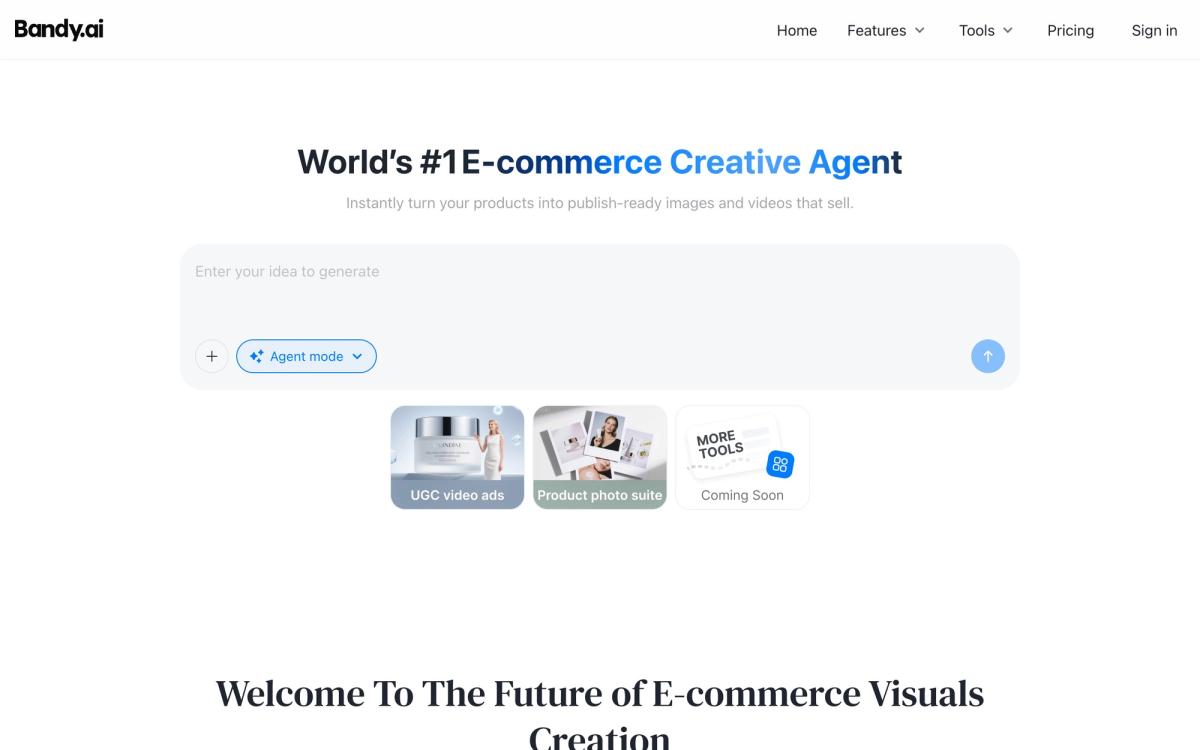
Summary:
Bandy.ai specializes in short-form UGC video ads designed for mobile-first social platforms.
Cost Plan:
Affordable subscription plans for startups and small businesses.
Category:
AI-generated UGC videos.
Key Features:
- Quick editing workflow
- Mobile-native aspect ratio
- Easy integration with social ad platforms
Best For:
Small teams experimenting with TikTok or Instagram ads.
Key Strengths:
Intuitive interface and minimal learning curve.
Limitations:
Limited creative depth for complex campaigns.
Use Case:
A beverage brand can produce multiple “first sip reaction” clips to test which visual style performs best.
11. Vidyo.ai
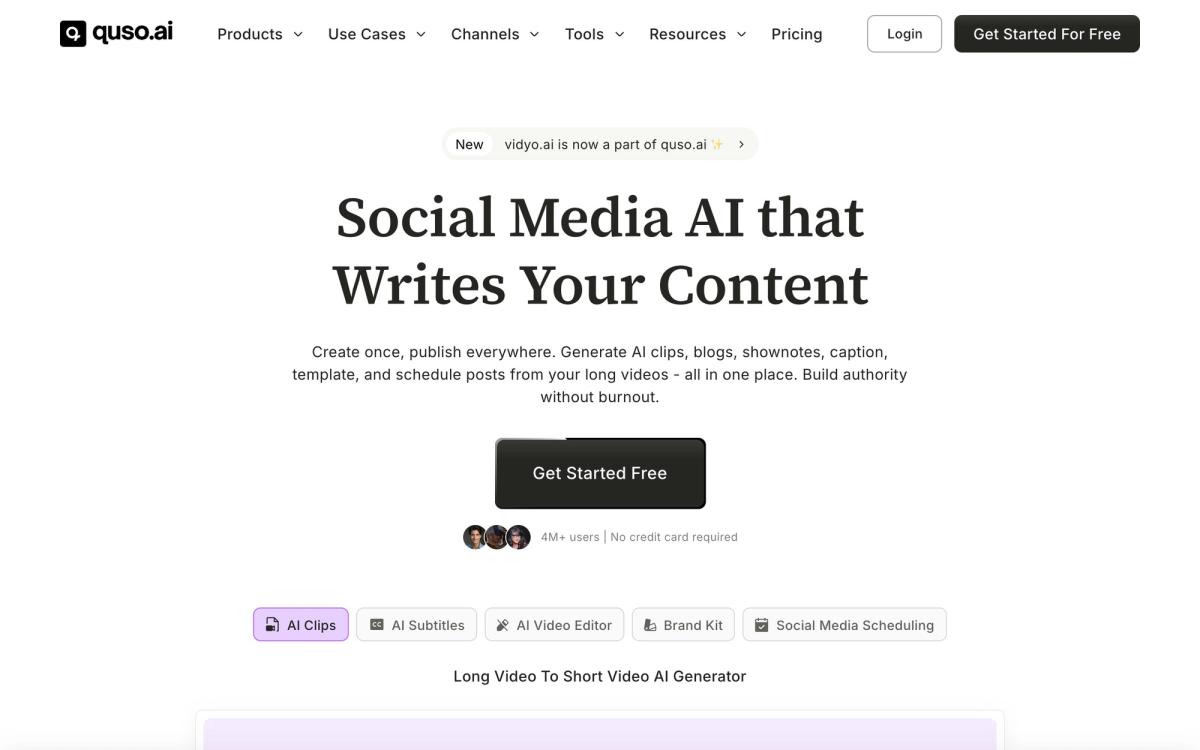
Summary:
Vidyo.ai repurposes long-form content into engaging short UGC-style clips, saving editing time and production costs.
Cost Plan:
Subscription-based, with tiered video limits.
Category:
AI video repurposing tool.
Key Features:
- Auto-clipping for key moments
- Auto-captioning for accessibility
- Social-native vertical formatting
Best For:
Brands with existing long-form content looking to scale UGC ad formats.
Key Strengths:
Efficiency and automation reduce manual editing work.
Limitations:
Not designed for creating UGC from scratch.
Use Case:
A webinar series can be converted into dozens of 15-second testimonial-style ads for retargeting campaigns.
12. Synthesia
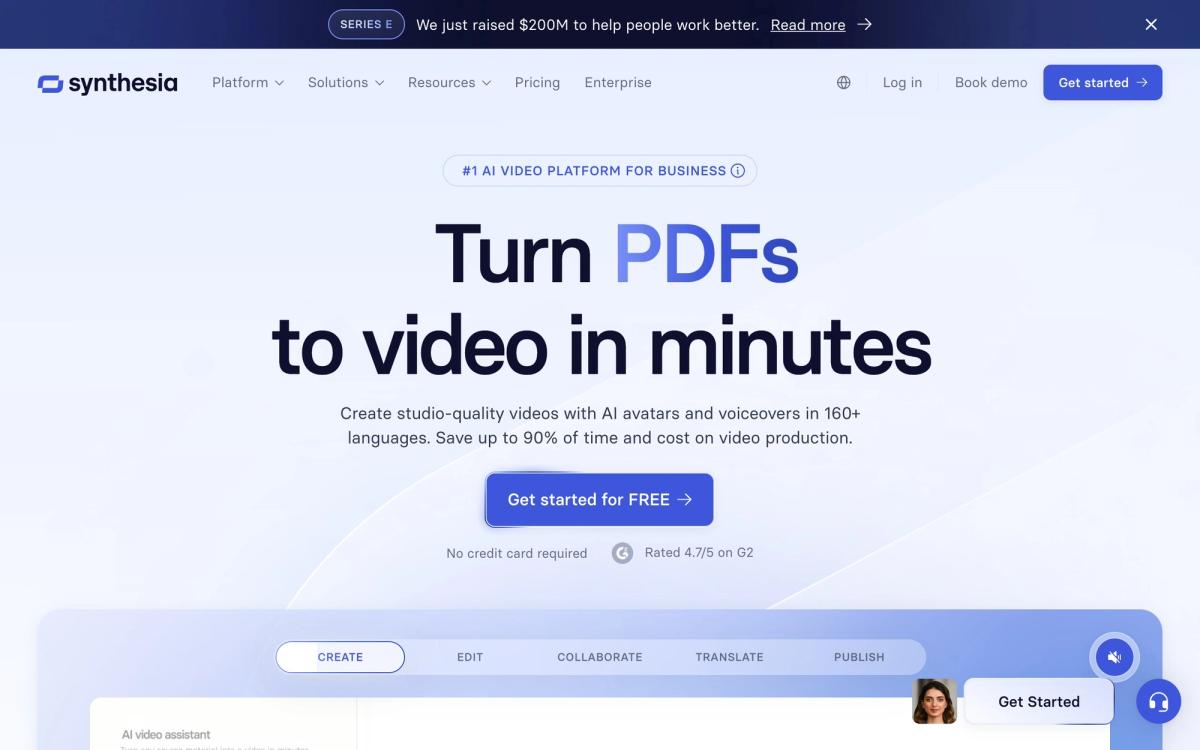
Summary:
Synthesia allows enterprise teams to create AI avatar-driven video content with high production control.
Cost Plan:
Enterprise pricing, scalable for large campaigns.
Category:
AI video generator.
Key Features:
- Advanced avatar options
- Script-to-video automation
- Integration into enterprise workflows
Best For:
Corporate and B2B campaigns that require consistent messaging across regions.
Key Strengths:
Consistency and control over brand tone.
Limitations:
Less natural feel than organic UGC and may appear slightly scripted.
Use Case:
A software company can create customer success testimonial videos using AI avatars for multiple products without filming new footage.
Enhancing Engagement with AI-Powered Content
Engagement is the heartbeat of social campaigns.
UGC works because it looks like the content people already scroll through on TikTok, Instagram, or YouTube. It feels native, which makes audiences more receptive.
When your content blends into someone’s feed instead of standing out as an obvious ad, you are already ahead.
Using the best UGC video software for ad campaign testing, marketers can analyze audience behavior in real time and tailor content to viewer preferences.
These tools let teams create AI-generated UGC videos that reflect authentic customer experiences while testing multiple variations simultaneously.
For example, a DTC apparel brand can create ten short testimonial clips featuring AI avatars reacting to a product, each emphasizing a different benefit. Within hours, the team can identify which variation drives the highest engagement.
Best Practices to Enhance Engagement
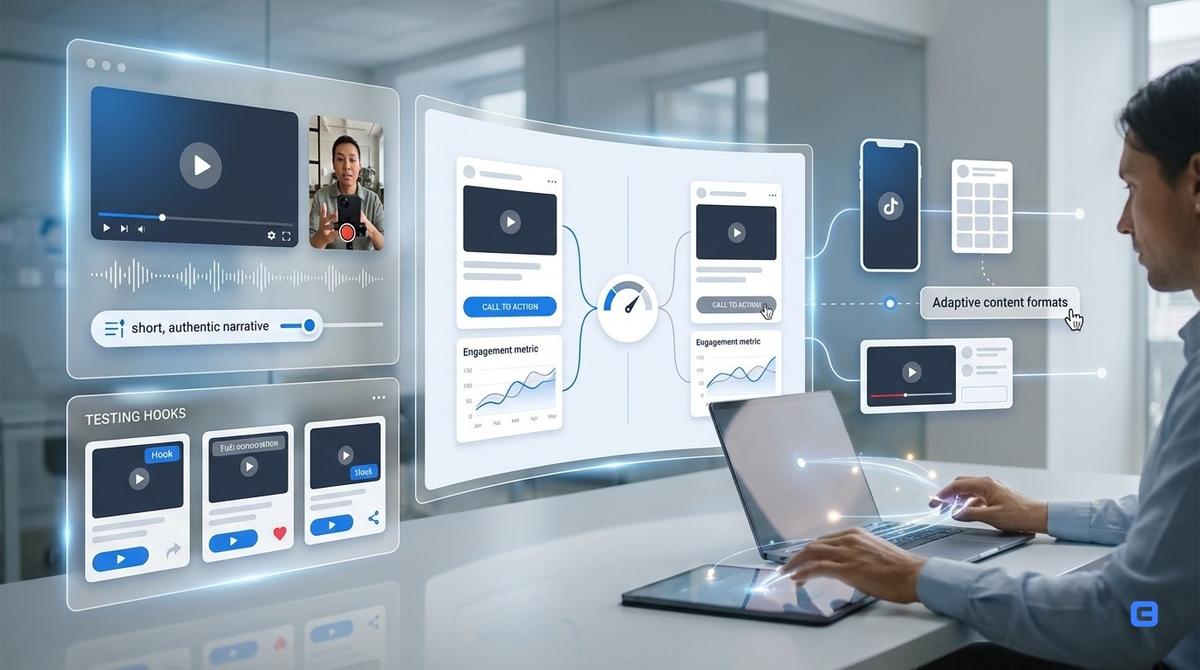
- Focus on short, authentic narratives instead of overproduced visuals.
- Test multiple hooks and CTA placements across variations.
- Adapt content style to platform norms (TikTok, Instagram, YouTube Shorts).
- Use AI to experiment with voiceovers, captions, and on-screen text for greater viewer retention.
- Monitor performance metrics and iterate quickly using insights from best UGC video software for ad campaign testing.
Cost and Time Efficiency in Ad Campaigns
Traditional UGC production scales poorly.
AI scales instantly.
AI-generated UGC videos reduce creator sourcing costs, eliminate scheduling delays, and shorten feedback loops. Teams move from weeks to hours.
That efficiency lets marketers test more ideas with less risk.
Instead of betting on one concept, they test ten.
Embracing the Future of UGC Video Tools
UGC is not fading.
It is becoming the default.
As platforms evolve, ads that feel native will continue to outperform polished brand creatives. AI ensures marketers can meet that demand without burning time or budget.
Conclusion
UGC wins because it feels real.
AI wins because it scales that reality without slowing teams down.
If you want the economics to make sense - ~$5/video instead of ~$200/video - and you want to ship new tests in minutes, start with EzUGC.
Create your first AI UGC ads at https://app.ezugc.ai.
FAQ
What is the best AI to create UGC ads?
If you care about speed, consistency, and cost, EzUGC is the practical pick: ~$5/video with realistic AI avatars and fast iteration for ad testing.
What is the best AI UGC ad generator for TikTok?
TikTok rewards native, high-velocity creative testing. Tools like EzUGC work well because you can generate vertical UGC-style variants in minutes and keep creatives fresh.
Can small brands use AI UGC tools effectively?
Yes. AI UGC tools let small brands compete without huge budgets by automating production while keeping content creator-native.
How much do AI UGC ad generators cost?
Prices vary by platform, ranging from $30 to $200+ per month depending on features and output volume. Some offer pay-per-video options.
Does AI UGC work for TikTok?
Absolutely. AI-generated UGC performs well on TikTok when it mimics real user content: short, authentic, and relatable videos tend to get the highest engagement.
Sources and citations
- Pew social media use 2025 · Pew Research Center
Recent U.S. adult platform-usage benchmarks.
- Pew teens and social media fact sheet · Pew Research Center
Recent teen platform-usage benchmarks for social strategy context.
- DataReportal global digital overview · DataReportal
Macro digital and social-media adoption benchmarks.