
S
solutions.studio•6h
Views
54K+41%
Revenue
$13K+88%
The best MakeUGC alternative for TikTok is the one that creates native-feeling variation, not just more exports from the same template family.
Last updated 2026-04-02
TL;DR
MakeUGC is easy to like on a demo because it bundles a lot of TikTok language into one offer: hooks, avatars, product-in-hand, batch creation, and a story about seven AI ad agents. TikTok does not reward checklists. It rewards creatives that feel native in the first second. That is where rigid template families start to show.
WHAT TO CHECK
What TikTok growth teams need
TikTok teams do not need more videos in the abstract.
WHERE IT BREAKS
Where MakeUGC usually starts to feel thin
MakeUGC can still work for early-stage teams that want a fast route to talking-head ads.
HOW TO DECIDE
Built for the FYP: Why EzUGC Wins on TikTok
EzUGC wins on TikTok because the workflow starts closer to how short-form ads actually get made.
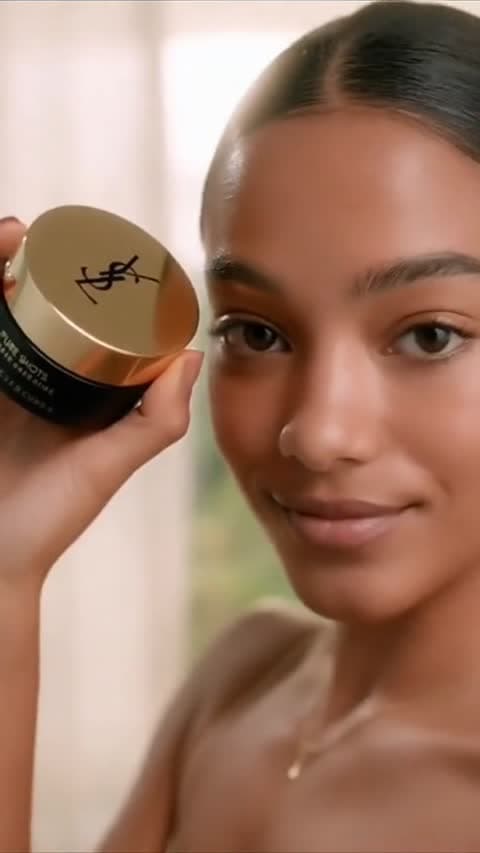
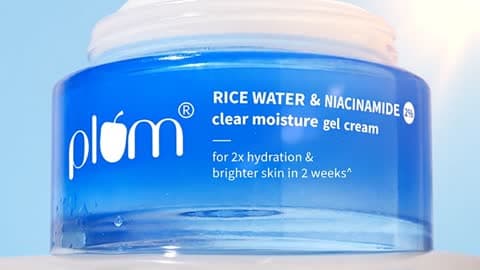
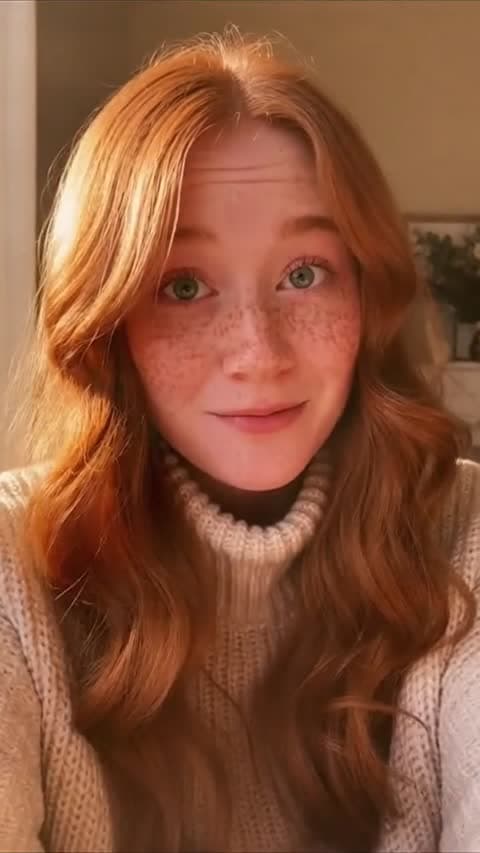
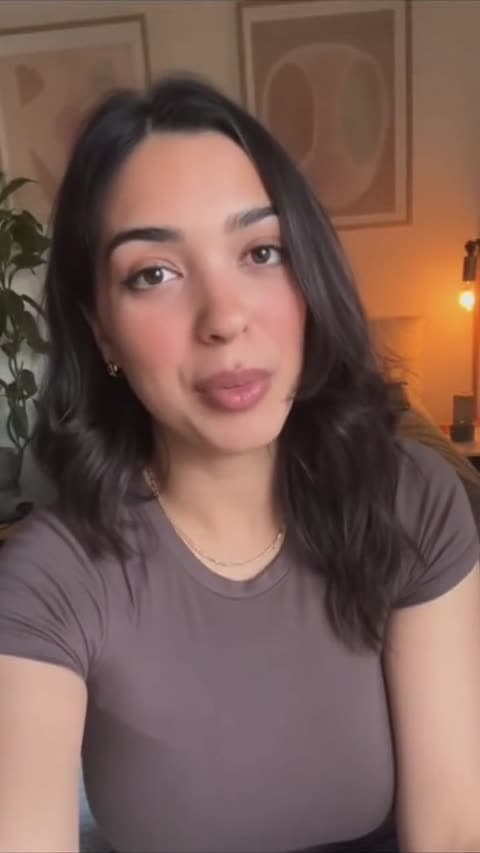
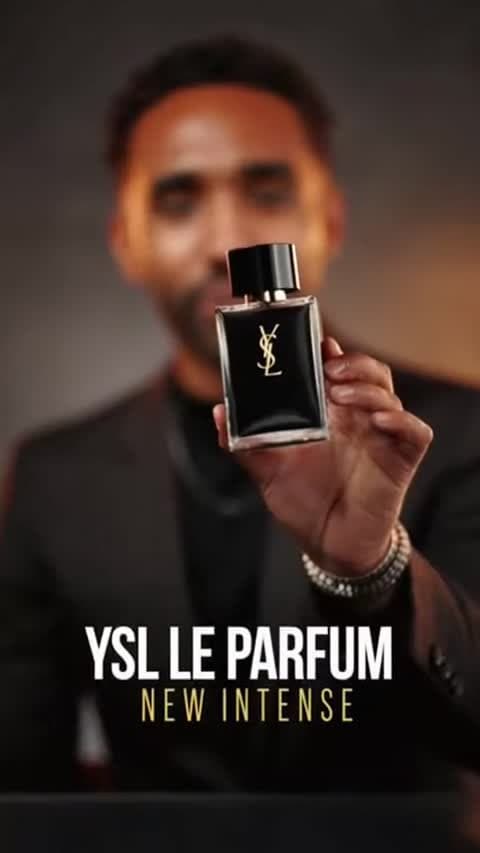
ANGLE 1
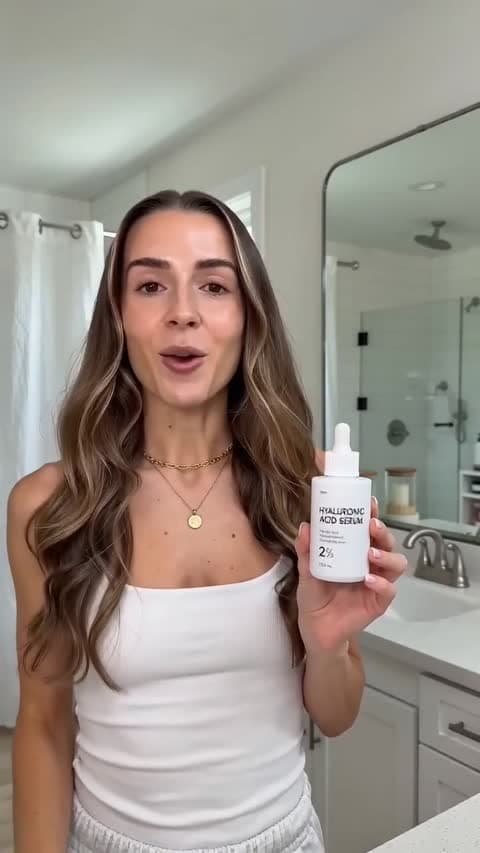
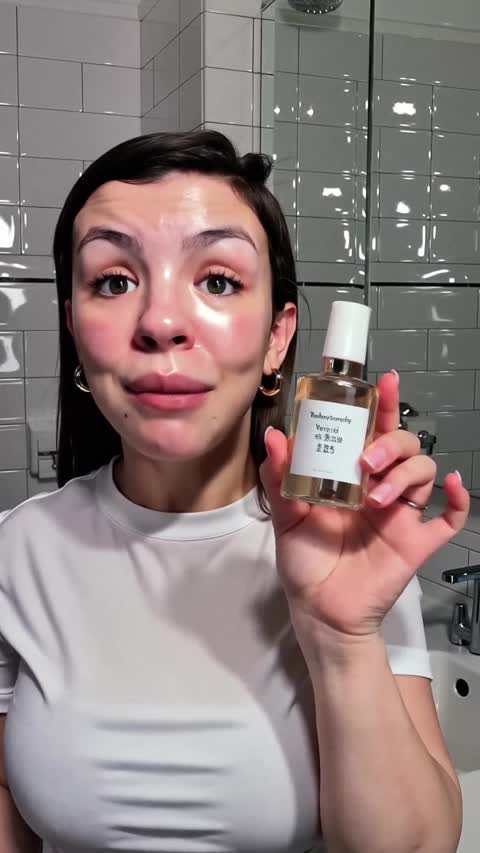
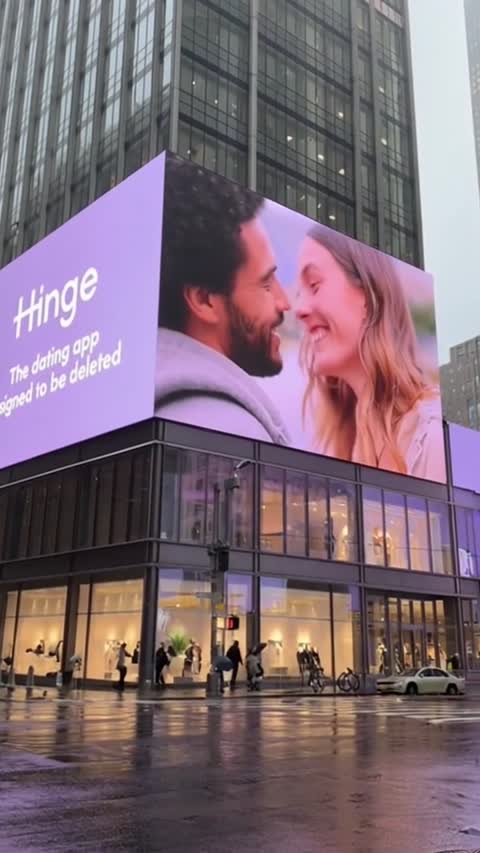
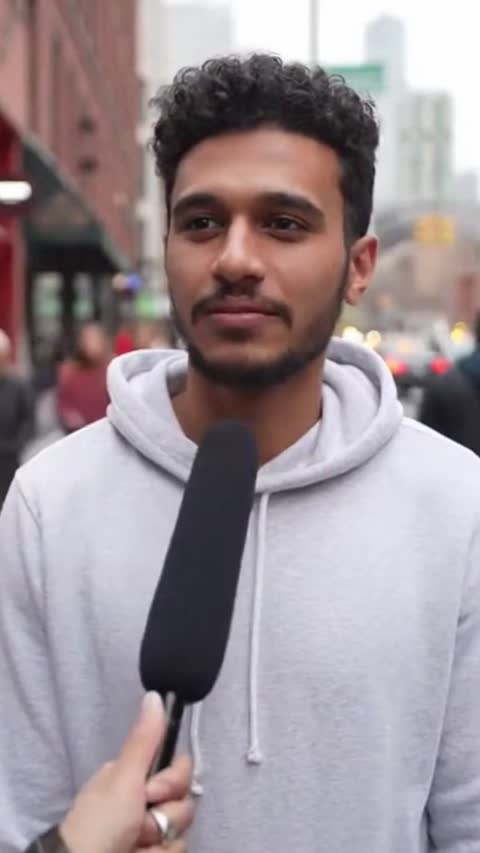
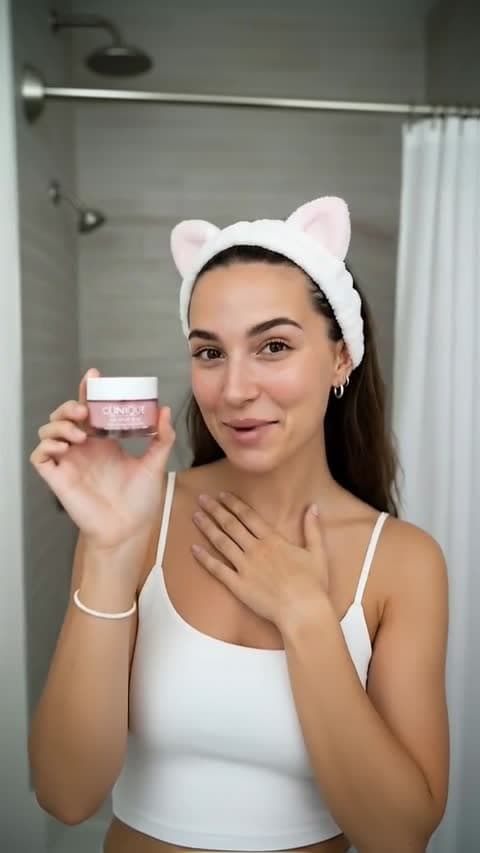
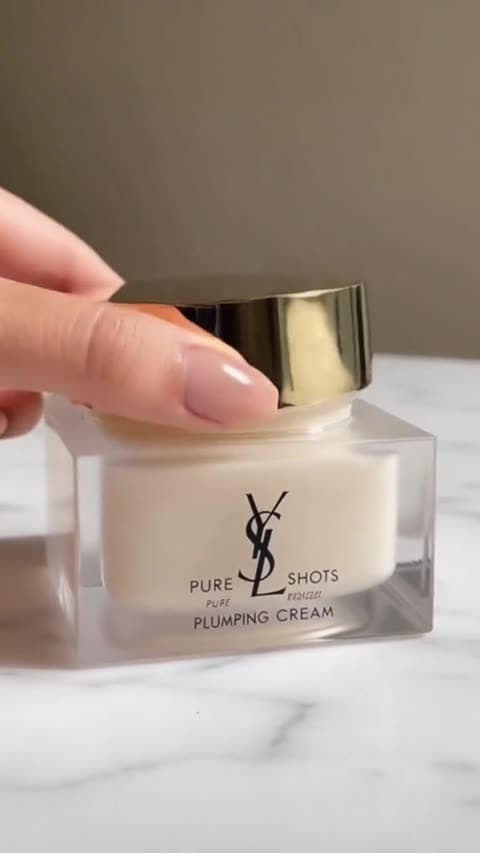
TikTok teams do not need more videos in the abstract. They need more first seconds that feel like real posts. That means faster pacing, tighter hook framing, native-looking text treatment, and enough variation that the next ad does not feel like a cousin of the last one.
The For You Page punishes sameness quickly. If your subtitle rhythm, framing, and reveal pattern barely change from one render to the next, volume stops helping. TikTok creative ops needs a workflow that can produce genuinely different angles, not just another export count.
ANGLE 2
MakeUGC can still work for early-stage teams that want a fast route to talking-head ads. The friction shows up when batch generation produces many versions of the same template logic. You get new files, but not always new creative hypotheses. On TikTok, that distinction matters because viewers feel repetition before the media buyer sees it in a report.
That problem gets sharper once the team leans on agent-style automation. MakeUGC's seven-agent framing can sound comprehensive, but TikTok operators usually do not want more orchestration. They want clear control over hook, pacing, product reveal, and on-screen proof. If the workflow makes those levers harder to isolate, the output starts to feel more like a system artifact than a native post.
DEEP DIVE
EzUGC wins on TikTok because the workflow starts closer to how short-form ads actually get made. Teams can build from a hook-first script, pair it with product-in-hand moments or B-roll, and work from safe-zone-aware short-form layouts instead of fixing the frame after export. That is a more practical starting point for the FYP than treating TikTok like another generic video destination.
The creative range is broader too. Instead of relying on one template family, the team can mix avatar-led talking heads with product framing, static support assets, and different model-driven visuals in one loop. That gives media buyers more room to find something that feels native, scrappy, and watchable, which is usually the standard TikTok actually rewards.
ANGLE 4
Run the same brief through both systems, then score one-second hold rate, hook clarity with audio off, caption readability, and how different the top three outputs feel from one another. Those criteria surface TikTok-native quality faster than a generic side-by-side screenshot.
Also watch how much cleanup the buyer needs after generation. If the ad only starts feeling native after outside editing, that should count against the workflow. TikTok speed comes from upstream choices, not just from patching the export once it already looks too polished or too templated.
ANGLE 5
EzUGC tends to win because it gives the operator more ways to make the creative feel like a post instead of an obvious ad. Hook-first scripting, product framing, B-roll, and short-form-safe layouts all push in the same direction: lower friction between idea and native-looking execution.
That matters more on TikTok than on almost any other channel. The best MakeUGC alternative for TikTok is not the platform with the most automation labels. It is the one that makes more viewers forget they are looking at an ad in the first place.
Evidence note
Public MakeUGC pages checked on April 2, 2026. The pricing page lists Startup, Growth, and Pro at $49, $69, and $119 per month for 5, 10, and 20 AI-generated videos. Separate MakeUGC pages also market '7 AI Ad Agents', Video Agent, hook generation, and batch-variation tooling.
MakeUGC is not unusable for TikTok. If your team needs a quick way to get a few talking-head ads out and the same creative family is still passing fatigue checks, it can do the job. The trouble begins when TikTok starts punishing sameness and your batch outputs still look obviously related.
EzUGC is the better MakeUGC alternative for TikTok when the goal is native-feeling variation, not just higher export count. The mix of hook-first scripting, safe-zone-aware short-form thinking, B-roll generation, and broader asset control gives media buyers more room to make ads people would actually watch.
These are the practical questions teams usually ask before they move from comparison into rollout.
Let ChatGPT, Claude, or Perplexity do the thinking for you. Click one button and see what each AI says about EzUGC.ai.
 Ask ChatGPT
 Ask Claude
 Ask Perplexity